Yarrow (Achillea millefolium)
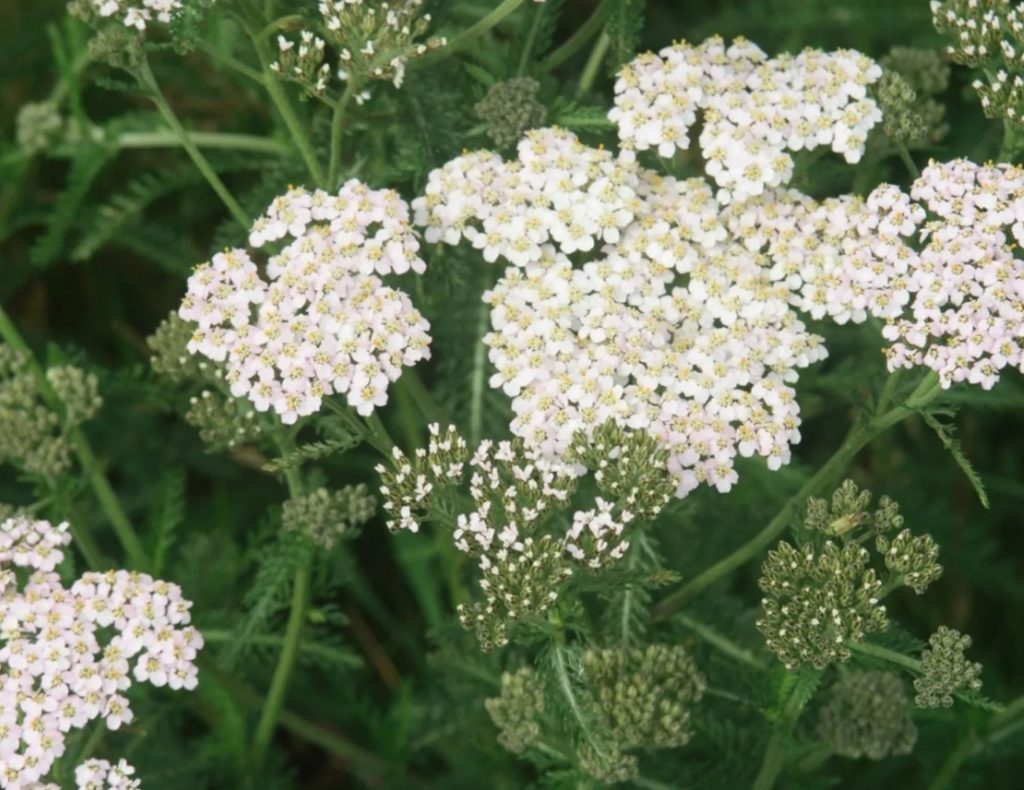
How to Identify Yarrow
Yarrow (Achillea millefolium) is a perennial herb renowned for its distinctive foliage and flowers. Proper identification ensures accurate recognition and utilization of this plant.
Physical Characteristics
- Leaves: The foliage of Yarrow consists of finely divided, feathery leaves that are soft to the touch. The leaves are typically arranged in a fern-like pattern, creating a lush, textured appearance. They are often aromatic when crushed.
- Stems: The plant produces upright, sturdy stems that can reach heights ranging from 1 to 3 feet (30 to 90 centimeters). The stems are generally smooth and may have a slight reddish hue near the base.
- Flowers: Yarrow blooms from late spring to early fall, producing clusters of small, flat-topped flowers. The flower heads are composed of numerous tiny florets, predominantly in shades of white, but varieties with pink or yellow flowers also exist. The flowers are arranged in dense, rounded clusters called corymbs.
- Aroma: When the leaves or stems are crushed, they emit a strong, pleasant aroma that is somewhat herbal and slightly spicy.
Growing Conditions
- Habitat: Yarrow thrives in well-drained soils and is commonly found in meadows, grasslands, roadsides, and garden borders.
- Sunlight: It prefers full sun exposure for optimal growth and flowering.
Tips for Identification
- Look for the characteristic feathery, fern-like leaves.
- Confirm the presence of flat-topped flower clusters with small florets.
- Smell the crushed foliage for its distinctive herbal scent.
- Note the plant’s height and upright growth habit.
Uses of Yarrow
Yarrow has been valued for its diverse applications across medicinal, culinary, and ornamental domains. Its versatility and historical significance underscore its importance in traditional and modern practices.
Medicinal Uses
Yarrow is widely recognized for its medicinal properties, particularly in herbal medicine. It has been traditionally employed to:
- Wound Healing: The plant’s astringent qualities promote clotting and help to stop bleeding when applied externally as a poultice or infusion.
- Digestive Support: Tea made from Yarrow leaves or flowers may aid digestion, alleviate bloating, and reduce gastrointestinal discomfort.
- Fever Reduction: Due to its diaphoretic properties, Yarrow can induce sweating, assisting in the reduction of fever during illnesses.
- Anti-inflammatory Effects: Its compounds possess anti-inflammatory qualities that may help soothe minor skin irritations and internal inflammations.
Culinary Uses
While primarily valued for its medicinal benefits, Yarrow can also be incorporated into culinary preparations:
- Herbal Teas: Dried Yarrow flowers and leaves are often used to prepare aromatic teas.
- Flavoring: Young leaves may be added sparingly to salads or used as a flavoring herb, imparting a slightly bitter, herbal note.
Ornamental and Landscaping Uses
Yarrow’s attractive appearance makes it a popular choice for ornamental gardening:
- Garden Borders: Its colorful flower clusters add visual interest and attract pollinators such as bees and butterflies.
- Drought-Tolerant Landscaping: Its preference for well-drained soils and full sun makes it suitable for xeriscaping and low-maintenance gardens.
Additional Uses
- Natural Pest Repellent: Its aromatic foliage can deter certain pests when planted among other garden plants.
Note: Always ensure proper identification before consumption or medicinal use to avoid potential confusion with similar-looking plants.