Winter Savoury (Satureja montana)
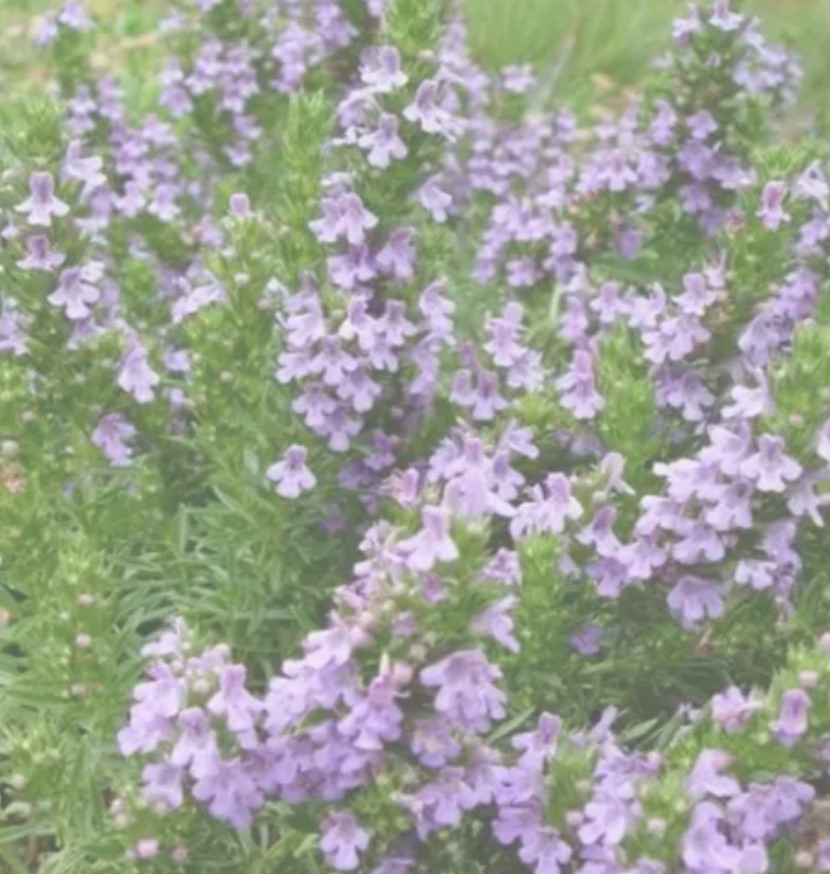
How to Identify Winter Savoury
Winter Savoury (Satureja montana) is a perennial herb distinguished by several characteristic features that facilitate its identification.
Physical Characteristics
- Leaves: The herb possesses small, opposite, oval-shaped leaves with a leathery texture. The leaves are typically dark green on the upper surface and lighter underneath, often exhibiting a slightly hairy or fuzzy appearance.
- Aroma: When crushed, the leaves emit a strong, aromatic scent reminiscent of thyme or oregano, with hints of camphor and pepper.
- Flowers: During its flowering period, usually in late spring to early summer, Winter Savoury produces clusters of tiny, tubular flowers. These flowers are usually pale pink or white with purple streaks and are arranged in terminal spikes.
Growth Habit
- The plant tends to grow upright with woody stems at the base and softer, herbaceous upper growth.
- It generally reaches heights between 30 to 60 centimeters (12 to 24 inches).
Habitat and Growing Conditions
- Prefers well-drained, sandy or rocky soils.
- Thrives in full sun exposure.
- Often found in Mediterranean regions and cultivated gardens for culinary and medicinal purposes.
Uses of Winter Savoury
Culinary Applications
- Winter Savoury is widely valued for its culinary versatility.
- Its aromatic leaves are often used to enhance the flavor of various dishes, including soups, stews, sauces, and marinades.
- The herb’s distinctive thyme- or oregano-like aroma imparts a savory depth, making it a popular addition to meat and vegetable preparations.
- It can be used fresh or dried, with dried leaves often incorporated into seasoning blends and herb mixes.
Ornamental Purposes
- Due to its attractive appearance and fragrant foliage, Winter Savoury is also cultivated as an ornamental plant in gardens.
- It can serve as ground cover or border plant, providing visual interest and aromatic appeal.
Pest Repellent
- The strong scent of Winter Savoury acts as a natural deterrent for certain pests. Gardeners may use it around vegetable beds to help repel insects.