Wild Garlic
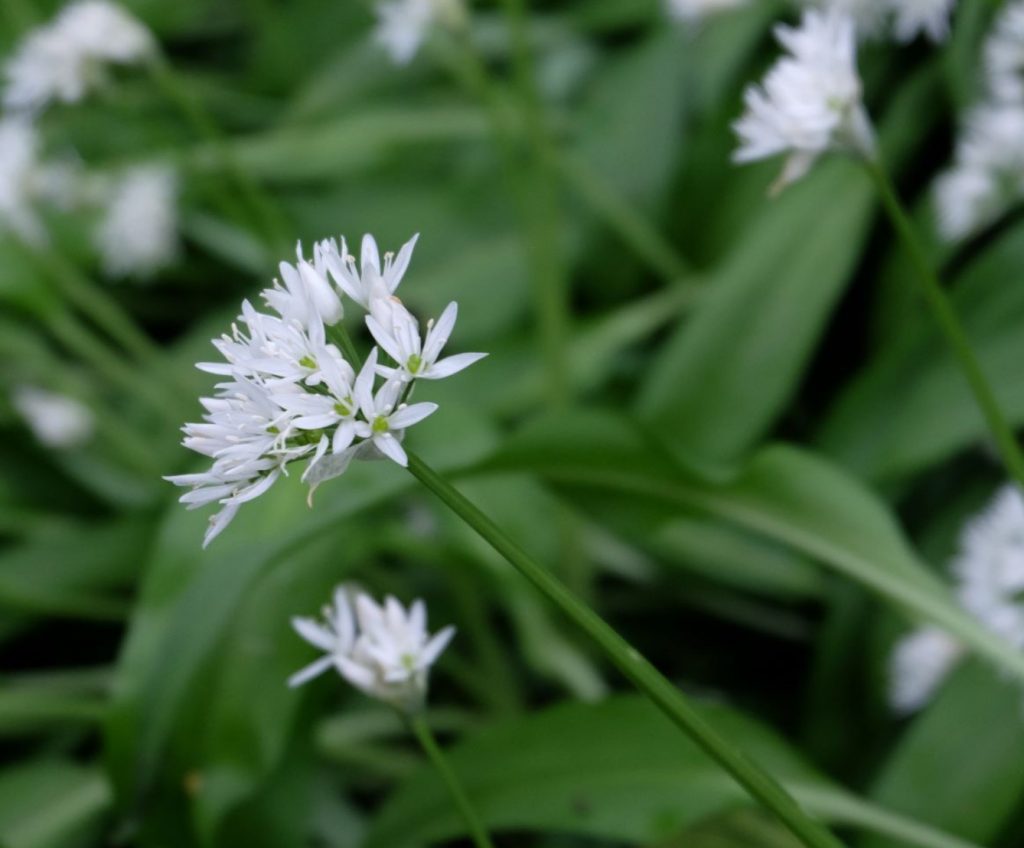
How to Identify Wild Garlic
Wild garlic, also known as ramsons or bear’s garlic, is a perennial plant that can be distinguished by several characteristic features. Accurate identification is essential to avoid confusion with similar-looking but potentially toxic plants.
Visual Characteristics
- Leaves: The most prominent feature of wild garlic is its broad, lance-shaped leaves that are bright green and grow in a rosette pattern close to the ground. The leaves have a smooth texture and a distinctive garlic smell when crushed.
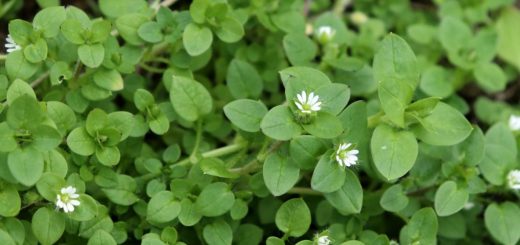
- Flowers: In late spring to early summer, wild garlic produces star-shaped, white flowers arranged in an umbrella-like cluster called an umbel. The flowers have six petals and are fragrant.
- Stem: The plant has hollow, round stems that are typically green and smooth.
Growing Environment
- Wild garlic commonly grows in shaded woodland areas, hedgerows, and damp, fertile soils.
- It tends to form dense patches or carpets on the forest floor.
Smell Test
- One of the most reliable identification methods is crushing a leaf or stem and smelling it. Wild garlic emits a strong, pungent garlic aroma that is unmistakable.
- Be cautious; ensure proper identification before handling or consuming.
Cautionary Notes
- Avoid confusing wild garlic with similar plants such as lily of the valley or autumn crocus, which can be toxic.
- Always verify multiple features—especially smell and leaf shape—before harvesting wild plants for culinary or medicinal purposes.
Uses of Wild Garlic
Culinary Applications
Wild garlic is highly valued for its culinary versatility. Its leaves, flowers, and bulbs can be incorporated into a variety of dishes, imparting a mild garlic flavor. Common uses include:
- Pesto: Blended with nuts, olive oil, and cheese to create a fragrant pesto.
- Soups and Stews: Added to enhance flavor in vegetable or meat-based soups.
- Salads: Fresh leaves can be chopped and sprinkled over salads for a subtle garlic aroma.
- Butter and Oils: Infused into butter or oils to create flavorful spreads and dressings.
- Pickling: Used in pickling recipes for an aromatic touch.
Medicinal Uses
Traditionally, wild garlic has been employed for its potential health benefits. It is believed to possess:
- Antioxidant Properties: Rich in compounds that combat oxidative stress.
- Cardiovascular Support: May help in reducing blood pressure and cholesterol levels.
- Digestive Aid: Used to stimulate digestion and alleviate gastrointestinal discomfort.
- Detoxification: Acts as a natural detoxifier by promoting the elimination of toxins.
Ornamental and Environmental Benefits
Beyond culinary and medicinal uses, wild garlic contributes to ecological health:
- Ground Cover: Its dense growth helps prevent soil erosion in woodland areas.
- Pollinator Attraction: The fragrant flowers attract bees and other pollinators, supporting local biodiversity.
Precautions
While wild garlic offers numerous benefits, it is essential to ensure proper identification before use. Misidentification with toxic plants such as lily of the valley or autumn crocus can pose serious health risks. Always verify features such as smell, leaf shape, and habitat prior to harvesting.
Note: Always ensure proper identification before consumption or medicinal use to avoid potential confusion with similar-looking plants.