Sweet Clover (Melilotus officinalis)
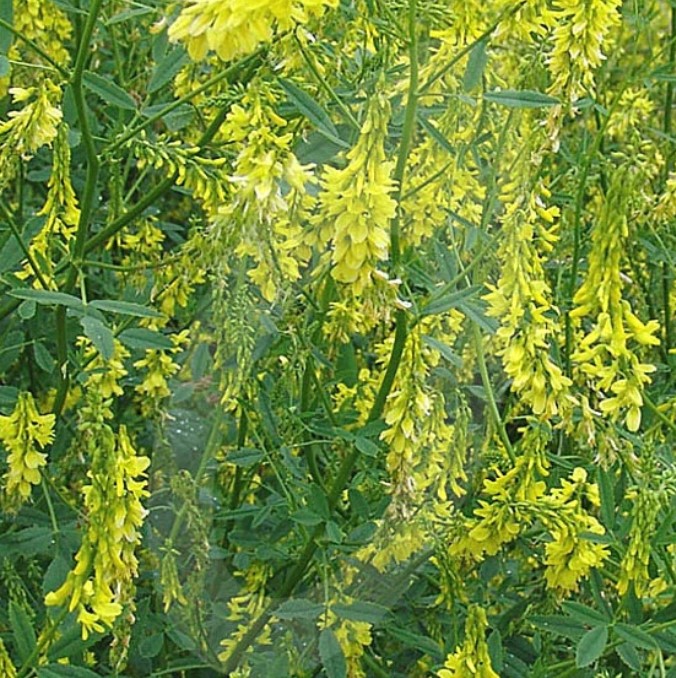
How to Identify Sweet Clover
Sweet clover (Melilotus officinalis) is a perennial plant, grown in a garden and commonly found in fields, roadsides, and disturbed areas. Proper identification is essential for distinguishing it from similar species and understanding its uses and potential effects.
Physical Characteristics
- Height: Typically grows between 2 to 4 feet (60 to 120 centimeters) tall.
- Stems: Upright, slender, and often slightly hairy with a reddish or green hue.
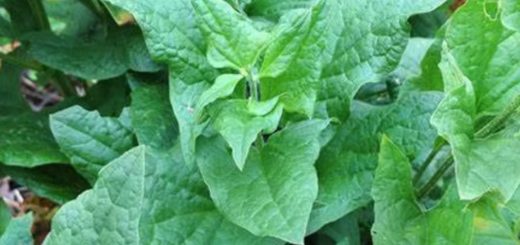
- Leaves: Compound with three leaflets; the leaflets are oval-shaped with smooth edges and may have a slight sheen.
- Flowers: Small, pea-like flowers arranged in dense, elongated clusters called racemes. The flowers are usually pale yellow or cream-colored, sometimes tinged with brown or purple.
- Blooming Season: Usually blooms from late spring to early autumn.
Distinguishing Features
- Fragrance: Sweet clover has a distinctive sweet aroma, especially noticeable when the plant is crushed.
- Pods: The seed pods are curved or coiled, containing small seeds that aid in identification.
- Leaves and Stems: The leaves are trifoliate with a smooth margin, and the stems may have fine hairs.
Caution
- Sweet clover can resemble other legumes such as alfalfa; however, its unique fragrance and flower arrangement help in differentiation.
- Be aware that sweet clover contains coumarin compounds, which can be toxic to livestock if ingested in large quantities.
Uses of Sweet Clover
Medicinal Applications
Sweet clover has been traditionally used in herbal medicine for its potential anti-inflammatory and anticoagulant properties. It has been employed to support circulatory health and to aid in the treatment of conditions such as varicose veins and hemorrhoids. However, due to its coumarin content, caution is advised, particularly regarding its use in individuals with bleeding disorders or those on blood-thinning medications.
Culinary
- Sweet clover is edible, particularly its flowers and young leaves, which have a sweet, vanilla-like aroma and flavour due to the compound coumarin.
- It is commonly used as a flavouring in teas, desserts, and jellies, or dried for use as a culinary herb.
- However, it should be consumed in moderation due to potential liver toxicity and its blood-thinning properties when ingested in high amounts.
Ornamental Use
Due to its attractive flowers and pleasant fragrance, sweet clover can be cultivated as an ornamental plant in gardens and landscape designs, adding aesthetic value while supporting ecological health.
Environmental Role
Sweet clover contributes to biodiversity by providing habitat and nectar for pollinators such as bees and butterflies, supporting local ecosystems.
Cautionary Note
Despite its benefits, it is essential to recognize that excessive ingestion or improper use of sweet clover may pose health risks due to its coumarin content. Therefore, consultation with a qualified professional is recommended before utilizing it for medicinal purposes.