Salad Burnet (Sanguisorba minor)
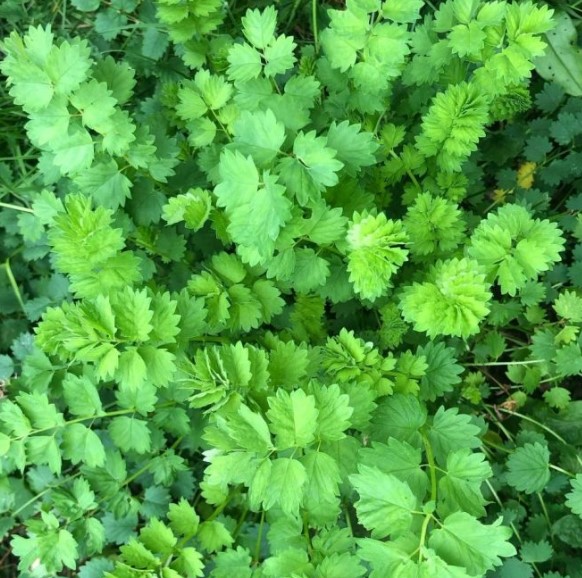
How to Identify Salad Burnet
Salad Burnet (Sanguisorba minor) is a perennial herb that is valued for its aromatic leaves and culinary uses. Proper identification is essential to distinguish it from similar plants and ensure safe consumption.
Physical Characteristics
- Leaves: The plant features distinctive, finely divided, fern-like leaves that are bright green in color. The leaves are composed of multiple small leaflets with serrated edges, giving them a delicate, lacy appearance.
- Aroma: When crushed or rubbed, the leaves emit a mild, cucumber-like fragrance, which is a notable characteristic of Salad Burnet.
- Stems: The stems are slender, upright, and can reach heights of approximately 30 to 60 centimeters. They are typically green with reddish or purple tinges near the base.
- Flowers: During the flowering season, Salad Burnet produces dense clusters of small, rounded flower heads that are dark red or purple. The flowers bloom in late spring to early summer.
Growing Conditions
- Prefers well-drained soil with moderate moisture.
- Thrives in full sun but can tolerate partial shade.
- Commonly found in gardens, meadows, and along roadsides in temperate regions.
Uses of Salad Burnet
Salad Burnet (Sanguisorba minor) is a versatile herb that has been valued for its culinary, medicinal, and ornamental applications. Its unique flavor and aromatic qualities make it a popular choice in various contexts.
Culinary Uses
- Herb in Salads: The fresh, cucumber-like flavor of Salad Burnet makes it an ideal addition to salads, providing a refreshing taste and aromatic complexity.
- Garnishing: Its delicate, fern-like leaves can be used as a garnish for soups, main dishes, or cold appetizers to enhance visual appeal and flavor.
- Herbal Teas: Dried leaves can be steeped to prepare herbal infusions that are appreciated for their mild flavor and potential health benefits.
Ornamental Uses
- Garden Planting: Due to its attractive foliage and flowers, Salad Burnet is often cultivated in herb gardens or as ground cover in ornamental landscapes.
- Pollinator Attraction: The plant’s flowers attract bees and other pollinators, contributing to garden biodiversity.
Additional Uses
- Aromatic Qualities: The plant’s scent can be used in potpourri or natural air freshening arrangements.