Rosemary (Rosmarinus officinalis)
How to Identify Rosemary
Rosemary (Rosmarinus officinalis) is a perennial herb renowned for its aromatic qualities and culinary uses. Accurate identification is essential for ensuring proper usage and avoiding confusion with similar plants.
Physical Characteristics
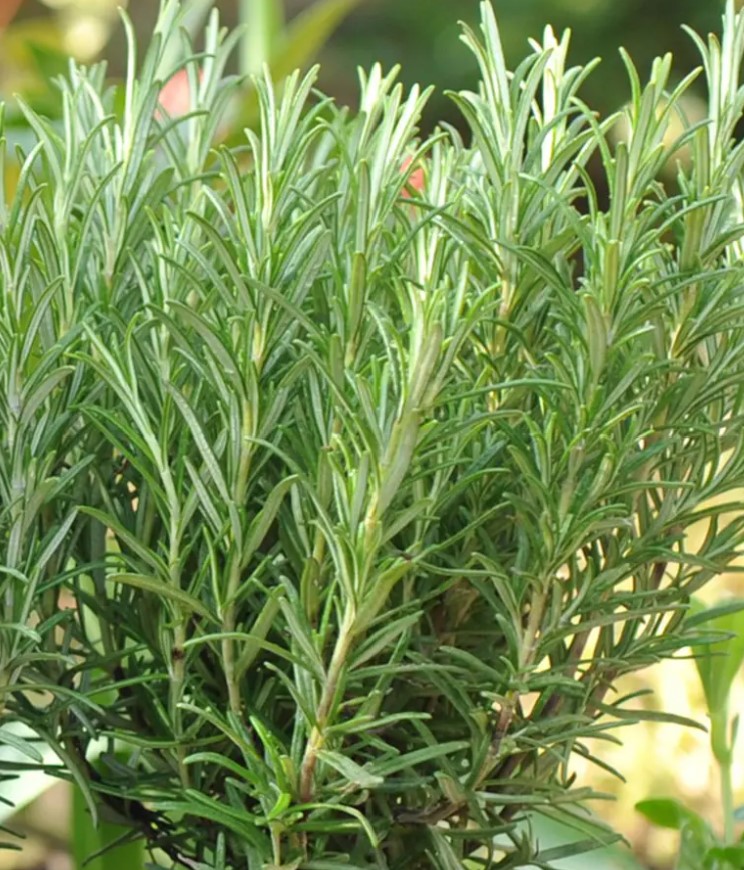
- Leaves: The most distinctive feature of rosemary is its narrow, needle-like leaves. They are typically about 1 to 2 inches long, with a pointed tip, and possess a leathery texture. The upper surface is dark green, while the underside may be lighter or slightly silvery due to fine hairs.
- Aroma: When crushed or rubbed, rosemary leaves emit a strong, pine-like fragrance with hints of camphor and lemon, which is a reliable indicator of the plant’s identity.
- Stems: The woody stems are greyish-brown and often have a rough texture. Younger stems tend to be greener and more flexible.
Flowers
- Appearance: Rosemary produces small, tubular flowers that are typically pale blue or violet, although white and pink varieties exist. The flowers grow in clusters along the stems.
- Blooming Season: Flowering generally occurs in spring and early summer, providing an additional visual cue for identification.
Growth Habit
- Size: As a shrub, rosemary can reach heights of up to 4 feet (1.2 meters) but is often maintained at smaller sizes through pruning.
- Shape: It has an upright, bushy growth habit with densely packed foliage.
Habitat and Location
- Rosemary thrives in well-drained soils and sunny locations.
- It is commonly cultivated in gardens across temperate regions but can also be found growing wild in Mediterranean climates.
Uses of Rosemary
Culinary Applications
- Rosemary is widely used as a culinary herb to enhance the flavour of various dishes.
- Its aromatic leaves are commonly added to roasted meats, especially lamb and chicken, as well as potatoes, soups, and stews.
- The herb’s distinctive pine-like aroma imparts a fragrant note that elevates the overall taste profile of meals.
Household Uses
- Rosemary can serve as a natural air freshener when dried and placed in sachets or potpourri.
- Its antimicrobial properties also make it suitable for use in homemade cleaning solutions, providing a fresh scent along with potential disinfectant benefits.
Ornamental Value
- Beyond its practical uses, rosemary is cultivated for ornamental purposes in gardens and landscapes.
- Its evergreen foliage and attractive flowers contribute aesthetic appeal while also attracting pollinators like bees.
Pest Repellent
- The strong aroma of rosemary acts as a natural deterrent for certain pests such as mosquitoes and flies.
- Planting rosemary around outdoor living spaces or using its dried leaves can help reduce insect presence without the need for chemical repellents.