Nasturtium (Tropaeolum majus)
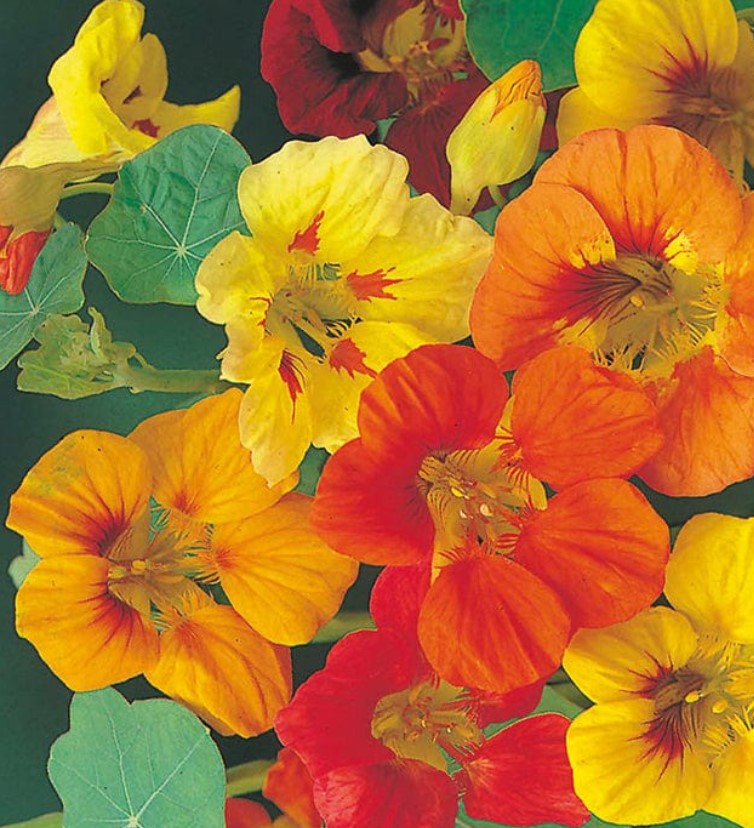
How to Identify Nasturtium
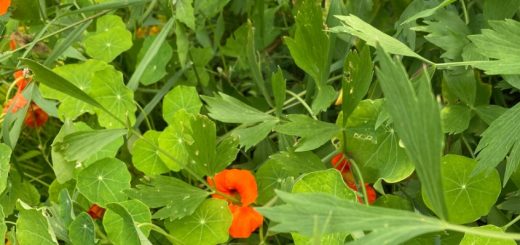
Nasturtium (Tropaeolum majus) is a popular ornamental and edible plant known for its vibrant flowers and distinctive foliage. To accurately identify nasturtium, consider the following characteristics:
Leaves
- The leaves are round or kidney-shaped with a slightly wavy or scalloped edge.
- They are typically bright green, although some varieties may have darker or variegated foliage.
- The leaves grow on long, trailing or climbing stems, depending on the variety.
Flowers
- Nasturtium produces striking, trumpet-shaped flowers that range in color from bright orange and red to yellow and sometimes cream.
- The flowers are usually symmetrical with five petals and a prominent central stamen.
- Blooming occurs primarily during warmer months, providing a vibrant display.
Stems and Growth Habit
- The plant has sprawling, climbing, or trailing growth habits.
- Stems are soft, flexible, and often covered with fine hairs.
- It can grow vigorously in garden beds, containers, or hanging baskets.
Edible Qualities
- Both the leaves and flowers are edible and have a peppery flavor reminiscent of watercress.
- This characteristic can aid in identification if the plant is cultivated for culinary purposes.
Uses of Nasturtium
Culinary Applications
Nasturtium is widely appreciated for its edible parts, which add both flavor and visual appeal to various dishes. The leaves and flowers possess a peppery, watercress-like taste, making them suitable for:
- Garnishing salads to enhance color and flavor
- Incorporating into sandwiches for added zest
- Using as a decorative element in platters and appetizers
- Infusing vinegars or oils with their distinctive flavor
Ornamental Purposes
Due to its vibrant flowers and attractive foliage, nasturtium serves as an ornamental plant in gardens and landscapes. It is commonly employed to:
- Brighten garden beds with colorful blooms
- Cover trellises, fences, or walls with lush greenery and flowers
- Create visually appealing hanging baskets and containers
Companion Planting
Nasturtium is valued as a companion plant because it can:
- Deter pests such as aphids and whiteflies from neighboring crops
- Attract beneficial insects like pollinators and predatory insects that help control pest populations
Environmental Benefits
Nasturtium contributes to sustainable gardening by improving soil