Marjoram (Origanum majorana)
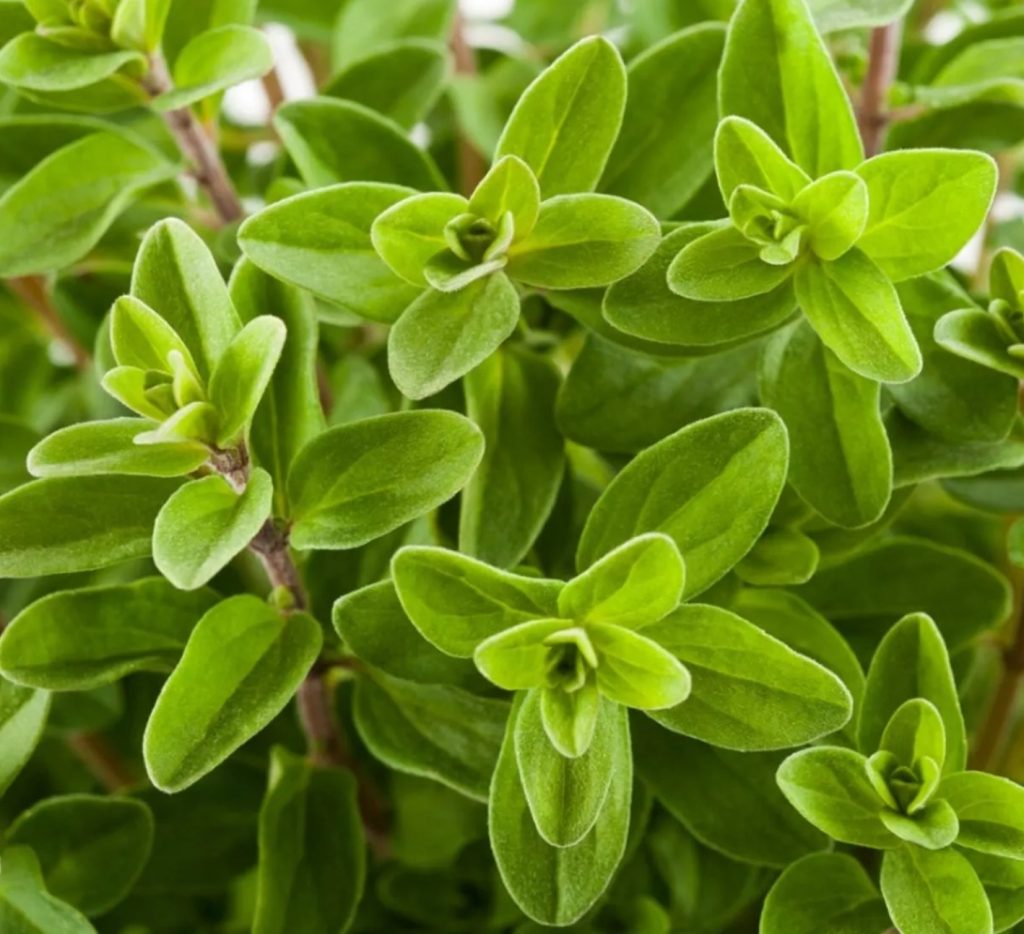
How to Identify Marjoram
Marjoram (Origanum majorana) is a perennial herb widely appreciated for its aromatic leaves and culinary uses. Proper identification involves examining several key characteristics:
Appearance
- Leaves: Marjoram has oval, soft, and slightly fuzzy leaves that are approximately 1 to 2 inches long. The leaves are typically a muted green with a subtle grayish hue.
- Stems: The stems are woody at the base, with a branching structure that supports the foliage.
Aroma
- One of the most distinctive features of marjoram is its fragrant aroma, which is sweet, mild, and slightly citrusy. Crushing the leaves releases this characteristic scent, aiding in identification.
Flowers
- Marjoram produces small, tubular flowers clustered in whorls along spike-like inflorescences. The flowers are usually pale pink or white and bloom during the warmer months.
Growth Habit
- The plant generally grows to a height of about 12 to 24 inches, forming dense clumps. It prefers well-drained soil and full sunlight.
Differentiation from Similar Herbs
- Compared to oregano (Origanum vulgare), marjoram’s leaves are softer and more delicate, with a milder aroma.
- Unlike thyme, marjoram’s leaves are broader and less woody.
Uses of Marjoram
Culinary Applications
- Marjoram is widely valued in the culinary world for its delicate, aromatic leaves.
- It enhances a variety of dishes, including soups, stews, sauces, and marinades. Its mild, slightly sweet flavor pairs well with meats such as poultry, lamb, and pork, as well as vegetables and legumes.
- Fresh or dried marjoram can be used to add depth and aroma to culinary preparations.
Ornamental Use
- Due to its attractive appearance and pleasant fragrance, marjoram is sometimes cultivated as an ornamental plant in gardens and containers.
- Its dense foliage and delicate flowers contribute to aesthetic appeal while providing aromatic benefits.