Lovage (Levisticum officinale)
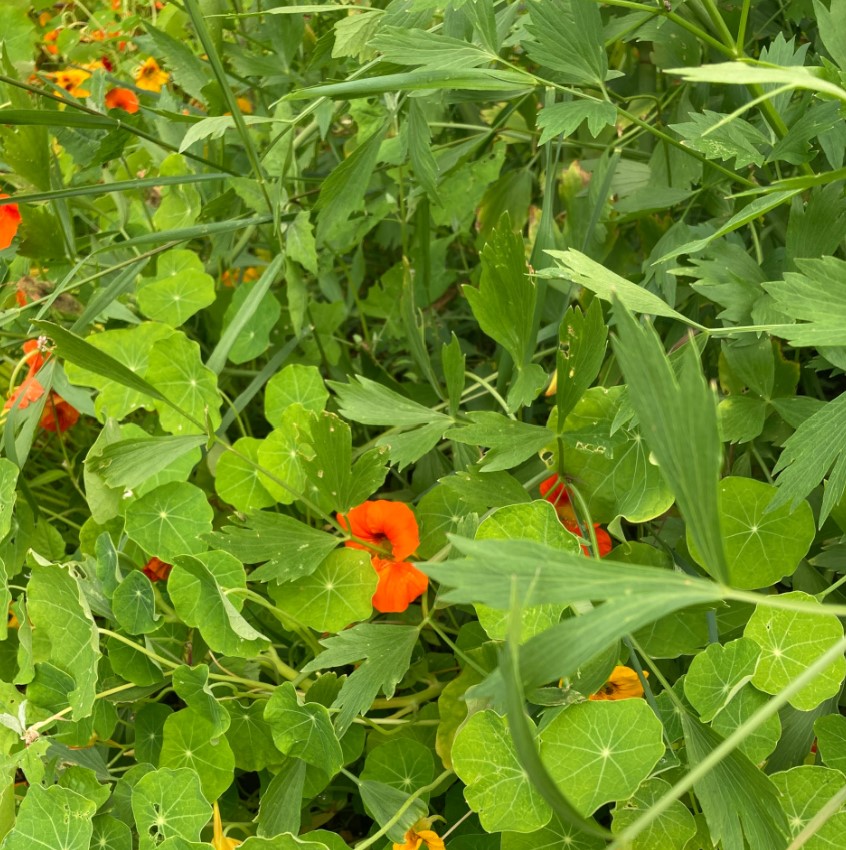
How to Identify Lovage
Lovage (Levisticum officinale) is a perennial herb renowned for its aromatic qualities and culinary uses. Proper identification of this plant is essential to distinguish it from similar species and ensure safe usage.
Physical Characteristics
- Height and Structure: Lovage typically grows up to 6 feet (1.8 meters) tall, featuring a robust, upright stalk with a sturdy, celery-like appearance.
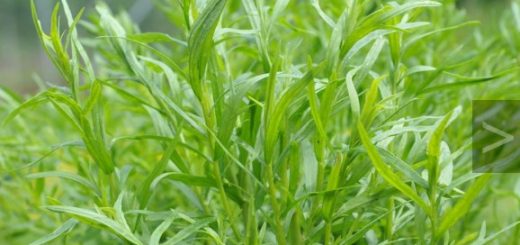
- Leaves: The plant bears large, dark green, pinnate leaves that resemble celery or parsley. The leaflets are broad, deeply lobed, and have a slightly glossy surface.
- Stems: The stems are thick, hollow, and ribbed, often with a reddish tint near the base.
- Flowers: During flowering season, usually in late spring or early summer, lovage produces dense umbels of small yellow-green flowers that form a flat-topped cluster.
Fragrance and Taste
- Aroma: The plant emits a strong, aromatic scent reminiscent of celery, parsley, and anise.
- Flavor: The leaves and stalks have a distinctive flavor that combines celery-like freshness with hints of licorice or anise.
Growing Conditions
- Prefers moist, well-drained soil with full sun exposure.
- Often cultivated in herb gardens or along borders for easy harvesting.
Caution
- Ensure correct identification by consulting detailed botanical references or experienced foragers before consumption.
- Avoid confusing lovage with wild hemlock or other toxic plants that may resemble it in appearance.
Uses of Lovage
Culinary Applications
- Lovage is highly valued in the culinary world for its aromatic qualities.
- Its leaves, stalks, and seeds can be used to enhance a variety of dishes. The leaves impart a celery-like flavour with hints of anise, making them suitable for soups, stews, salads, and sauces.
- The stalks can be chopped and added to broths or used as a fresh garnish. Additionally, the seeds are sometimes ground into a spice to flavor baked goods or pickles.
Medicinal Uses
- Traditionally, lovage has been employed in herbal medicine for its potential health benefits.
- It is believed to aid digestion, reduce bloating, and act as a diuretic.
- Infusions made from the leaves or roots are sometimes used to alleviate urinary tract issues and support overall gastrointestinal health.
Aromatic and Fragrant Purposes
- Due to its strong aroma, lovage is also utilized in potpourri blends and natural air fresheners.
- Its scent can help create a fresh environment in homes or gardens.
Ornamental Value
- Beyond its practical uses, lovage’s tall stature and lush foliage make it an attractive addition to herb gardens or landscape borders.
- Its dense umbels of yellow-green flowers also attract pollinators such as bees and butterflies.
Caution
- Avoid confusing lovage with wild hemlock or other toxic plants that may resemble it in appearance.