Lemon Balm (Melissa officinalis)
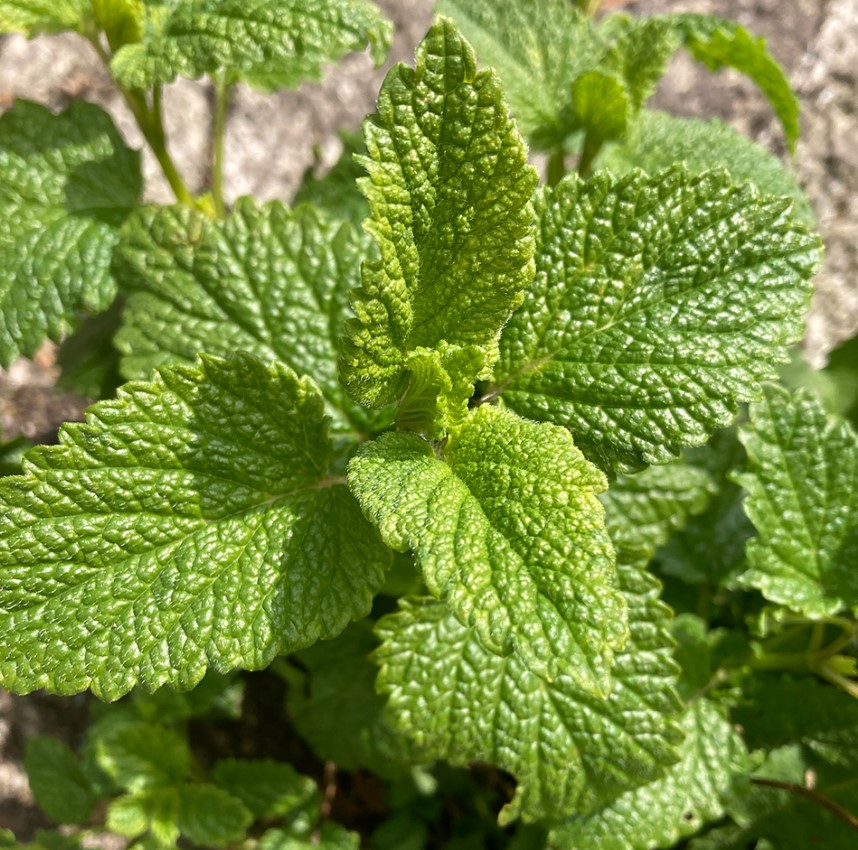
How to Identify Lemon Balm
Lemon balm (Melissa officinalis) is a perennial herb belonging to the mint family, known for its distinctive aroma and medicinal properties. Accurate identification is essential to ensure proper use and avoid confusion with similar plants.
Visual Characteristics
- Leaves: The most recognizable feature of lemon balm is its heart-shaped, serrated leaves. They are bright green with a slightly wrinkled surface and prominent veins.
- Aroma: When crushed, the leaves emit a strong lemon scent, which is a key identifier.
- Size: The plant typically grows between 30 to 60 centimeters in height, with some varieties reaching up to 1 meter.
- Flowers: Lemon balm produces small, tubular, pale yellow or white flowers arranged in whorls along spike-like stems during the summer months.
Growing Conditions
- Prefers well-drained soil and full sun but can tolerate partial shade.
- Commonly cultivated in herb gardens or containers.
Additional Tips for Identification
- Stem: The stems are square-shaped, characteristic of mint family members.
- Leaf Arrangement: Opposite arrangement on the stem.
- Seasonality: Best identified during late spring to early summer when flowering occurs.
Caution
Avoid confusing lemon balm with other mint relatives or similar-looking plants such as ground ivy or deadnettles. Always verify by scent and leaf shape before harvesting or using the plant for culinary or medicinal purposes.
Uses of Lemon Balm
Culinary Applications
- Lemon balm is frequently used to enhance the flavour of various dishes.
- Its fresh leaves can be added to salads, soups, and sauces to impart a subtle lemon aroma.
- Additionally, it is commonly infused into teas and beverages, providing a refreshing citrus note that complements both sweet and savoury recipes.
Garden and Pest Control
- Lemon balm serves as an attractive addition to herb gardens due to its fragrant foliage. Moreover, it acts as a natural pest repellent, deterring insects such as mosquitoes when planted around outdoor living areas.
Decorative Purposes
- The plant’s delicate flowers and lush green foliage make lemon balm an appealing ornamental plant for gardens and containers, contributing both aesthetic value and functional benefits through its aromatic properties.