Hyssop (Hyssopus officinalis)
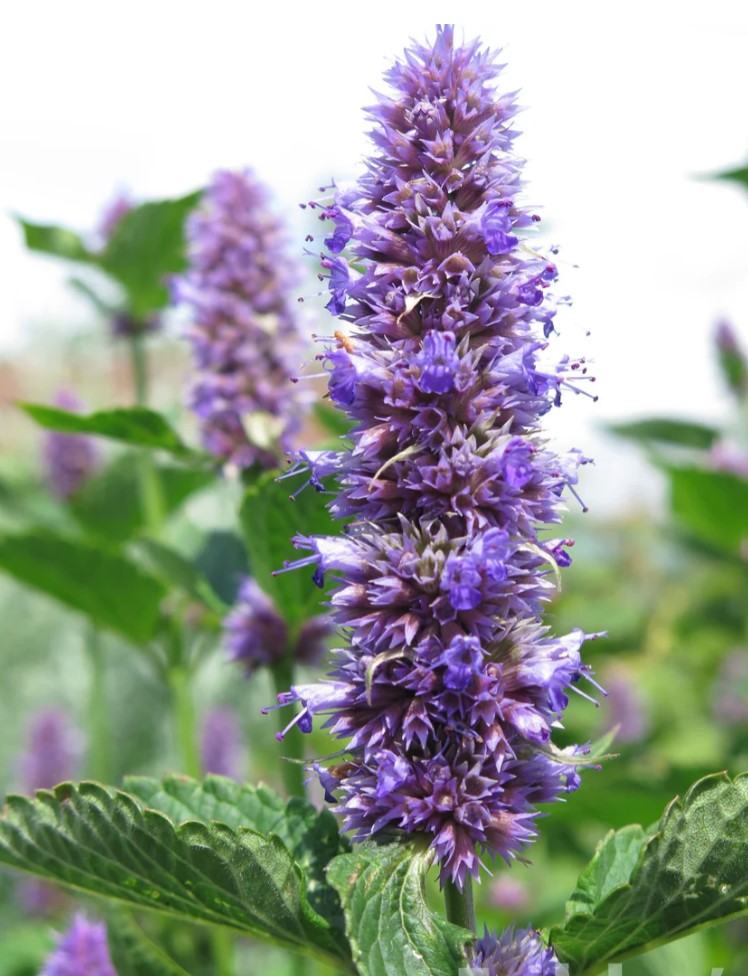
How to Identify Hyssop
Hyssop (Hyssopus officinalis) is a perennial herb known for its aromatic qualities and medicinal uses. Proper identification is essential to distinguish it from similar plants and ensure its safe use.
Physical Characteristics
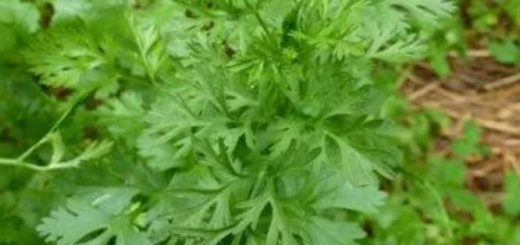
- Leaves: Narrow, lance-shaped, and arranged oppositely along the stems. They are typically dark green with a slightly hairy texture.
- Stems: Woody at the base, with upright, square-shaped stems that can reach heights of 30 to 60 centimeters.
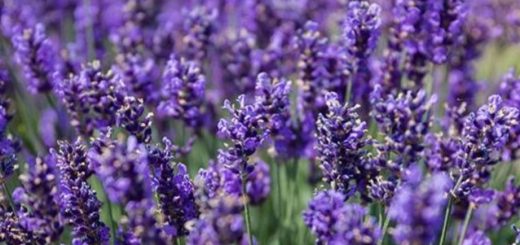
- Flowers: Small, tubular, and usually purple or blue, clustered in whorls along the upper parts of the stems. Blooming occurs from late spring to early summer.
- Aroma: Distinctive, fragrant scent reminiscent of mint and pine when leaves are crushed.
Growth Habit
- Hyssop prefers well-drained soil and full sunlight.
- It exhibits a bushy growth form with multiple stems emerging from a central base.
Habitat
- Commonly found in Mediterranean regions, cultivated gardens, and herbal landscapes.
- It thrives in dry, rocky soils but can adapt to various well-drained environments.
Uses of Hyssop
Culinary Uses
- The aromatic leaves and flowers of hyssop can be incorporated into culinary preparations.
- It is often used to flavour salads, soups, stews, and herbal teas, imparting a distinctive minty and pine-like aroma that enhances the sensory experience of various dishes.
Fragrance
- Due to its fragrant scent, hyssop is incorporated into potpourri, and scented products to provide a refreshing aroma.
Ornamental Use
- Beyond its practical applications, hyssop is cultivated as an ornamental plant in gardens for its attractive flowers and aromatic foliage, contributing to aesthetic appeal and biodiversity.
Caution
While hyssop offers various benefits, it should be used with caution. Excessive consumption or improper use may lead to adverse effects. Consultation with a healthcare professional is recommended before incorporating hyssop into medicinal or dietary routines.