Good King Henry (Blitum bonus-henricus)
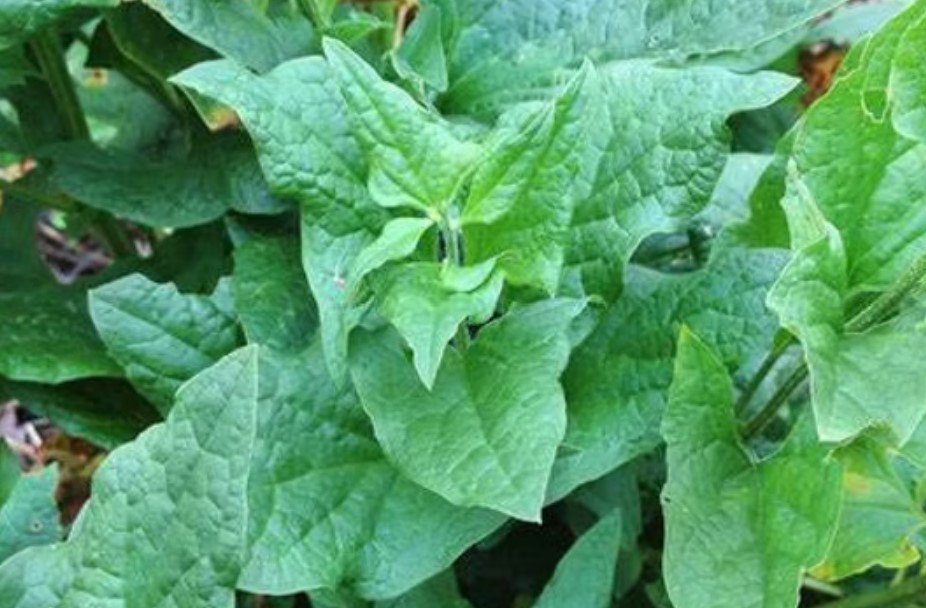
How to Identify Good King Henry
Good King Henry, scientifically known as Blitum bonus-henricus, is a perennial plant valued for its edible leaves and stems. Proper identification is essential. The following characteristics are key to recognizing this plant:
Leaf Characteristics
- Shape and Size: The leaves are broad, ovate to lanceolate, measuring approximately 10-20 centimeters in length.
- Texture: They possess a smooth surface with a slightly glossy appearance.
- Colour: The foliage exhibits a vibrant green hue, often with a bluish or greyish tint.
Stem Features
- Appearance: The stems are upright, sturdy, and can reach heights of up to 60 centimeters.
- Colour: Typically green, sometimes tinged with reddish hues near the base.
Flower and Seed Structure
- Flowers: Small, greenish-yellow flowers appear in dense clusters during late spring to early summer.
- Seeds: After flowering, small black seeds develop within the flower clusters.
Growth Habit
- Good King Henry prefers moist, well-drained soils and thrives in partial shade to full sun environments.
- It forms dense clumps with multiple stems emerging from a central crown.
Additional Tips
- The plant has a similar appearance to wild spinach but can be distinguished by its specific leaf shape and growth pattern.
- Always verify the plant’s identity through multiple features before harvesting, especially if for culinary use.
Uses of Good King Henry
Culinary Applications
- Good King Henry is highly valued for its edible leaves and stems, which can be incorporated into a variety of dishes.
- The young leaves are often used as a nutritious green in salads, soups, stews, and sautés. Its taste resembles spinach, making it a suitable substitute in many recipes.
- The stems can also be cooked similarly to asparagus or added to stir-fries.
Nutritional Benefits
- The plant is rich in vitamins A and C, as well as minerals such as iron and calcium.
- Its high nutritional content makes it an excellent addition to a health-conscious diet.
Ornamental Value
- Beyond its edible qualities, the plant’s attractive foliage and upright growth habit make it suitable for ornamental gardening. It can serve as ground cover or a decorative perennial in shaded garden beds.
Foraging and Sustainable Harvesting
- The plant’s hardy nature allows for sustainable harvesting practices, providing a renewable source of greens without the need for intensive cultivation. This makes it an appealing choice for those interested in wild food foraging or organic gardening.
Note: Always ensure proper identification before consumption or medicinal use to avoid potential confusion with similar-looking plants.