Fenugreek (Trigonella foenum-graecum)
How to Identify Fenugreek
Fenugreek (Trigonella foenum-graecum) is a versatile herb widely used in culinary and medicinal applications. Accurate identification is essential to ensure proper usage and safety. The following characteristics serve as reliable indicators for recognizing fenugreek:
Appearance of the Seeds
- Shape and Size: Fenugreek seeds are small, flat, and angular, typically measuring about 4 to 6 millimeters in length.
- Color: The seeds possess a distinctive golden-brown hue, often with a slightly glossy surface.
- Texture: They have a smooth exterior with a hard texture that requires crushing or grinding for culinary use.
Plant Characteristics
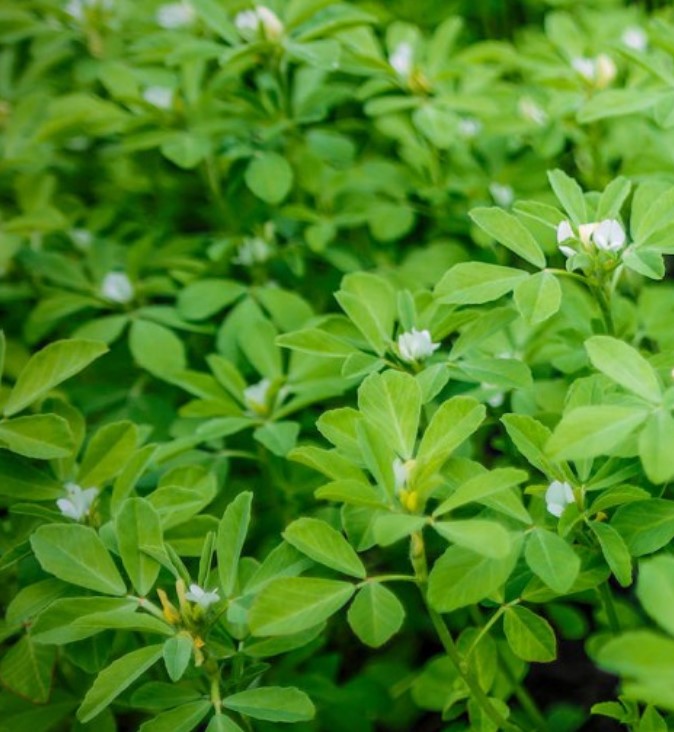
- Leaves: The fenugreek plant features trifoliate (three-part) leaves that are green and somewhat hairy.
- Height: It generally grows to a height of approximately 30 to 60 centimeters (12 to 24 inches).
- Flowers: The plant produces small, white or pale yellow flowers with delicate petals.
Growing Environment
- Fenugreek thrives in well-drained, fertile soil with ample sunlight.
- It is commonly cultivated in regions with warm climates.
Uses of Fenugreek
Fenugreek (Trigonella foenum-graecum) is a highly valued herb with a wide range of applications in culinary, medicinal, and health-related practices. Its versatility makes it an important ingredient and remedy across various cultures.
Culinary Uses
- Spice Ingredient: Fenugreek seeds are commonly used as a spice in Indian, Middle Eastern, and North African cuisines. They add a distinctive, slightly bitter flavor to curries, stews, and spice blends such as garam masala.
- Herbal Tea: The leaves and seeds can be steeped to prepare herbal teas believed to aid digestion and provide nutritional benefits.
- Flavour Enhancer: Ground fenugreek is often incorporated into bread, pickles, and vegetable dishes to enhance flavour profiles.