Fennel (Foeniculum vulgare)
How to Identify Fennel
Fennel (Foeniculum vulgare) is a perennial herbaceous plant widely recognized for its aromatic qualities and culinary uses. Proper identification is essential to distinguish it from plants and ensure usage.
Characteristics
- Appearance: Fennel features a tall, sturdy stalk that can reach heights of 4 to 6 feet. The plant has a bushy, feathery appearance due to its finely divided leaves.
- Leaves: The leaves are bright green, thread-like, and feathery, resembling dill or other members of the Apiaceae family.
- Bulb: At the base, fennel develops a white or pale green bulb that is bulbous and layered, often used in cooking.
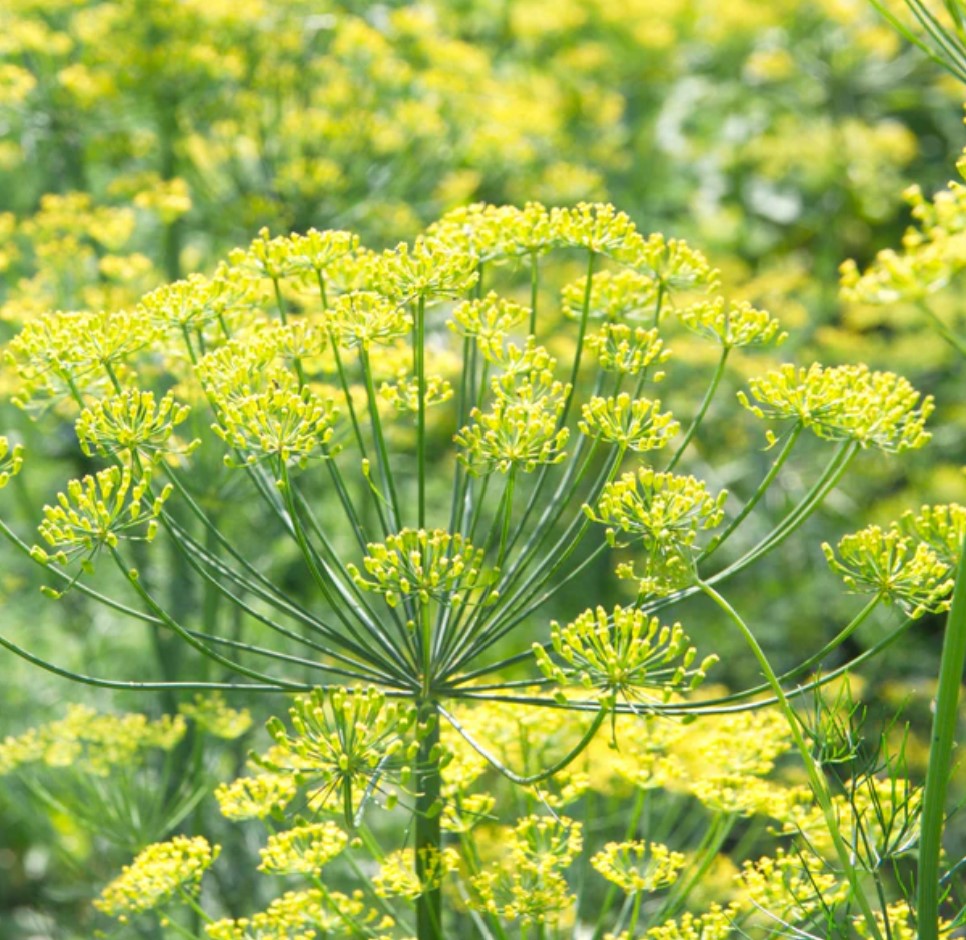
- Flowers: The plant produces small, yellow-green flowers arranged in umbrella-shaped clusters called umbels. These typically bloom in late summer.
- Seeds: After flowering, fennel produces oval-shaped seeds that are aromatic and used as a spice.
Distinguishing Features
- Aromatic Smell: Fennel emits a distinctive sweet, licorice-like aroma that helps differentiate it from similar plants.
- Growth Habit: Its height and feathery foliage are characteristic traits. The bulbous base is usually firm and white.
Habitat and Growing Conditions
- Fennel thrives in well-drained soil with full sun exposure.
- It is commonly found in temperate regions, cultivated in gardens or growing wild along roadsides.
Caution
- Always verify with multiple characteristics before harvesting or consuming wild fennel.
- Be cautious to distinguish fennel from toxic look-alikes such as hemlock or fool’s parsley, which may resemble fennel but are dangerous.
Uses of Fennel
Culinary Applications
- Fennel is widely appreciated for its versatile culinary uses.
- The bulb, leaves, and seeds are employed to enhance a variety of dishes. The crisp, slightly sweet bulb is often sliced and added to salads, roasted, or used in soups and stews.
- The aromatic seeds serve as a spice in baking, seasoning blends, and pickling processes.
- Additionally, the feathery fronds are used as a garnish or flavouring in salads and seafood dishes.
Aromatic and Fragrant Uses
- The essential oil extracted from fennel seeds is used in aromatherapy and perfumery due to its distinctive liquorice-like scent. It can be incorporated into massage oils or diffused to create a calming atmosphere.
Agricultural and Gardening Purposes
- Fennel can also serve as a companion plant in gardens. Its presence may attract beneficial insects such as pollinators and predatory insects that help control pests. However, caution should be exercised as fennel can sometimes become invasive if not properly managed
Decorative Uses
- The tall, feathery foliage of fennel adds ornamental value to herb gardens and floral arrangements. Its unique appearance makes it an attractive addition to landscape designs focused on edible plants.
Caution
- While fennel offers numerous benefits and uses, it is essential to ensure proper identification before harvesting or consumption. Misidentification with toxic plants such as hemlock can pose serious health risks. Always verify characteristics thoroughly and consult reliable sources when foraging wild fennel.