Clove Pink (Dianthus caryophyllus)
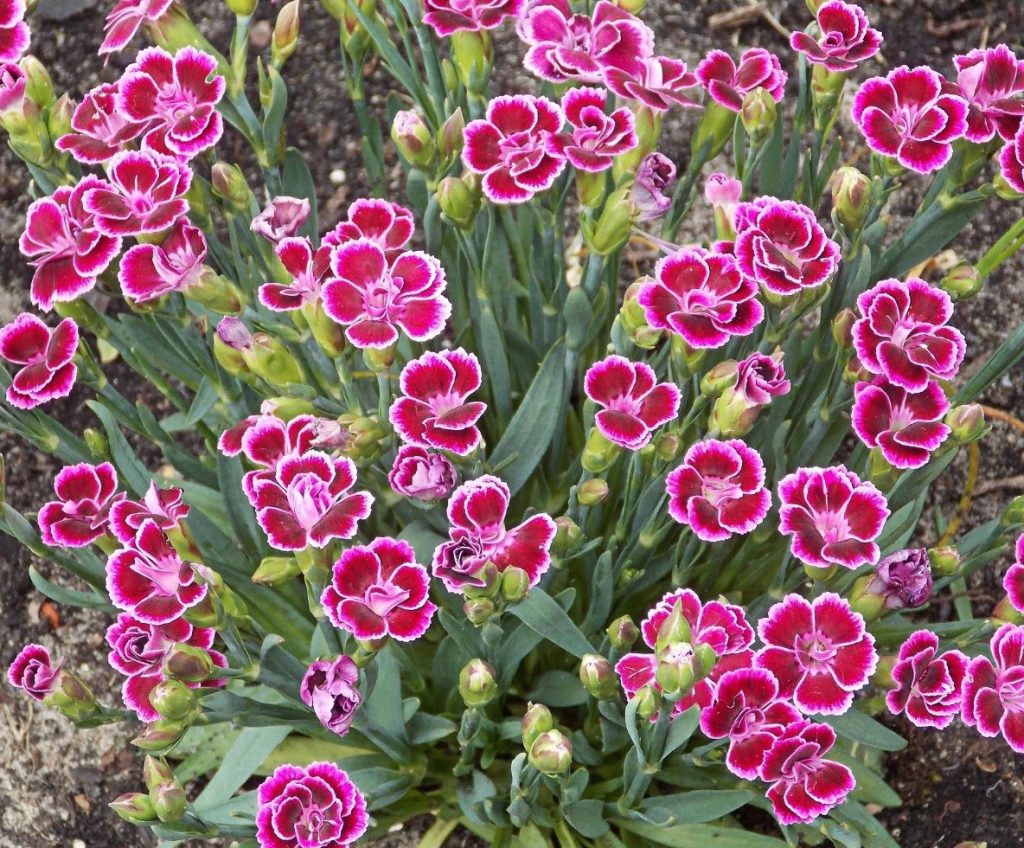
How to Identify Clove Pink
Clove pink, also known as Dianthus caryophyllus, is a perennial flowering plant renowned for its fragrant blossoms and distinctive appearance. To accurately identify this plant, consider the following characteristics:
Flower Appearance
- The flowers are typically small to medium-sized, with a ruffled or fringed edge.
- They often display a vibrant pink hue but can also be found in shades of white, red, or purple.
- The petals generally have a star-shaped arrangement with five petals.
Fragrance
- One of the most notable features is its strong, sweet clove-like scent emanating from the flowers, especially when in full bloom.
Leaves
- The foliage consists of narrow, lance-shaped leaves that are gray-green to bluish-green in color.
- Leaves are usually arranged in opposite pairs along the stems.
Stem Characteristics
- The stems are slender and upright, often branching near the top where the flowers emerge.
- They tend to be woody at the base in mature plants.
Growth Habit
- Clove pink plants typically grow between 30 to 60 centimeters tall.
- They prefer well-drained soil and full sun exposure for optimal growth.
Blooming Season
- The plant generally blooms from late spring through summer, providing a prolonged display of flowers.
Additional Features
- The plant may produce seed capsules after flowering.
- It is often cultivated for ornamental purposes due to its attractive and aromatic flowers.
Uses of Clove Pink
Ornamental Purposes
- Clove pink is widely cultivated for its aesthetic appeal in gardens and floral arrangements. Its vibrant, fragrant blossoms enhance the visual and aromatic ambiance of outdoor spaces and indoor displays.
Fragrance and Aromatherapy
The distinctive clove-like scent of the flowers makes them a popular choice in the production of perfumes, scented candles, and potpourri. The aroma is believed to have calming effects and is used in aromatherapy practices.
Culinary
- Love pink has fragrant flowers with a sweet, spicy, clove-like flavour, commonly used to decorate desserts, salads, and beverages.
- Primarily the petals are consumed, while the white heel at the base should be removed due to its bitterness.
- They are safe to eat but leaves and stems should be avoided.
Pollinator Attraction
- Clove pink flowers attract pollinators such as bees and butterflies, supporting local ecosystems by promoting pollination activities within gardens and natural habitats.