Chive (Allium schoenoprasum)
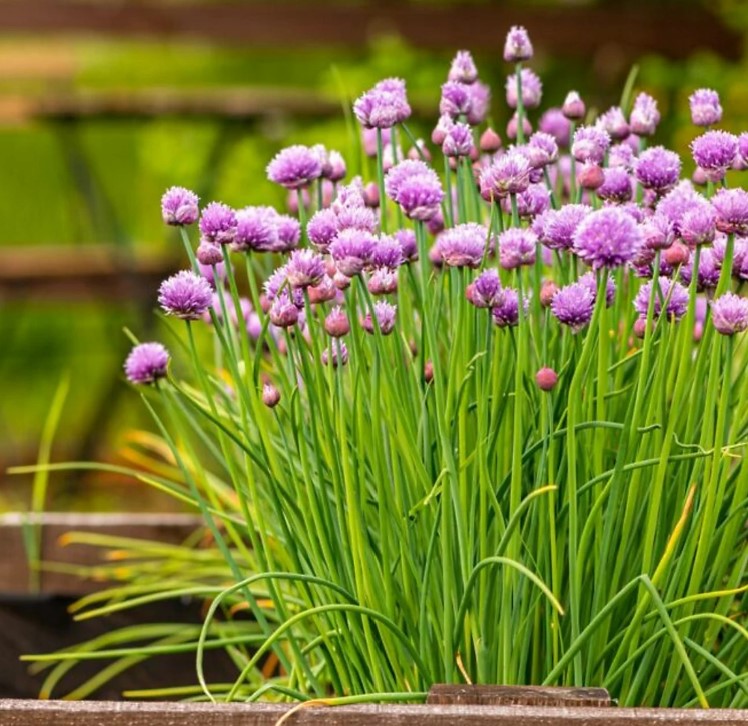
How to Identify Chive
Chive (Allium schoenoprasum) is a perennial herb widely recognized for its slender, grass-like leaves and mild onion flavour.
Visual Characteristics
- Leaves: Thin, hollow, tubular, and grass-like, typically growing in dense clumps. They are bright green and can reach up to 12 inches in height.
- Flowers: Produces spherical clusters of small, purple or pinkish flowers on tall, slender stalks. The flowering period generally occurs in late spring to early summer.
- Bulb: Unlike onions, chives have a small, underground bulb that is not prominent but can be detected when dug up.
Smell
- Aromatic Quality: When crushed or rubbed, chive leaves emit a mild onion or garlic scent, which is a distinctive feature for identification.
Growing Conditions
- Prefers well-drained soil with full sun exposure.
- Often cultivated in herb gardens or containers due to its hardy nature.
Differentiation from Similar Plants
- Unlike wild onions or garlic, chives lack a strong pungent smell and have thinner leaves.
- Avoid confusing with ornamental Alliums that may have larger bulbs or different flower colours.
Uses of Chive
Chives are a versatile herb that enhance both the flavor and presentation of a variety of dishes. Their subtle onion-like taste makes them an excellent addition to numerous culinary creations.
Culinary Uses
- Garnish: Finely chopped chives are commonly used as a fresh garnish for soups, salads, baked potatoes, and eggs, adding a mild onion flavor and vibrant color.
- Flavouring: Chives can be incorporated into sauces, dressings, and dips such as sour cream or yogurt-based sauces to impart a delicate onion aroma.
- Herb Butter: Mixing chopped chives into softened butter creates a flavorful herb butter suitable for spreading on bread or melting over grilled meats and vegetables.
- Egg Dishes: They are often added to scrambled eggs, omelets, and quiches to enhance taste with their subtle aroma.
- Seafood: Chives complement the flavors of fish and shellfish dishes, providing a fresh contrast.
Medicinal and Health Benefits
- Digestive Aid: Consuming chives may support digestion due to their mild diuretic properties.
- Antioxidant Properties: Rich in vitamins A and C, chives contribute to immune health and overall wellness.
- Anti-inflammatory Effects: The compounds present in chives may help reduce inflammation when included regularly in the diet.
Decorative Uses
- Herb Arrangements: Fresh chives can be used in culinary displays or herb arrangements due to their attractive appearance.
- Potpourri: Dried chive flowers and leaves may be incorporated into natural potpourri for their subtle fragrance.
Note: Always ensure proper identification before consumption or medicinal use to avoid potential confusion with similar-looking plants.