Chervil (Anthriscus cerefolium)
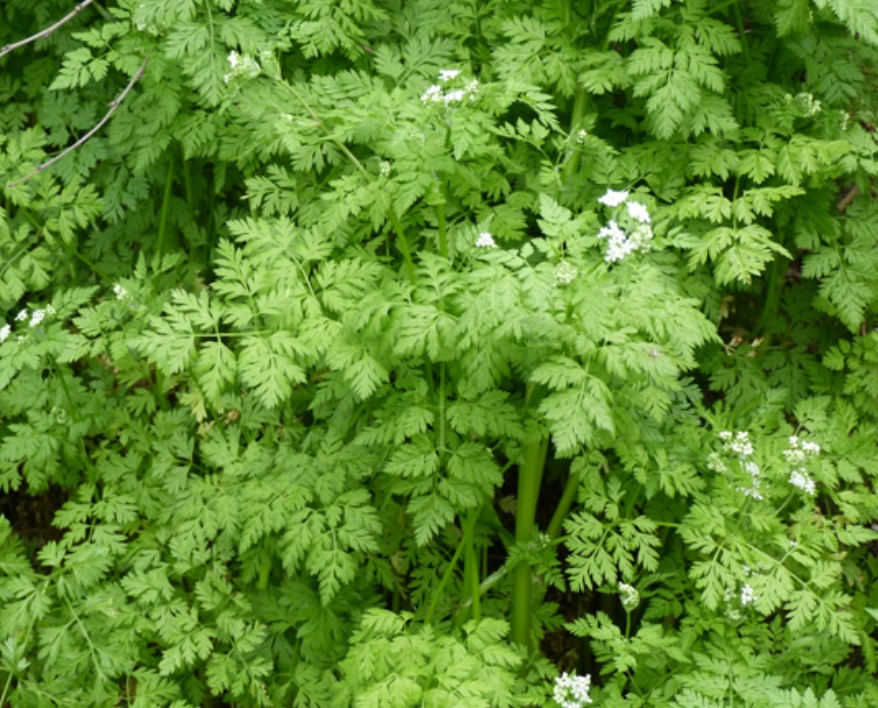
How to Identify Chervil
Chervil (Anthriscus cerefolium) is a delicate herb often used in culinary dishes for its subtle anise-like flavor. Proper identification is essential to distinguish it from similar-looking plants and ensure safe usage. The following characteristics can assist in recognizing chervil:
Appearance
- Leaves: Finely divided, fern-like with a feathery appearance. The leaves are bright green and soft to the touch.
- Stems: Thin, hollow, and smooth, typically reaching heights of 20 to 50 centimeters.
- Flowers: Small, white, umbrella-shaped clusters (umbels) that bloom in late spring to early summer.
Aroma
- Chervil emits a mild, sweet aroma reminiscent of parsley combined with a hint of anise or licorice.
Growth Habit
- Prefers shaded or semi-shaded environments with moist, well-drained soil.
- Usually cultivated as an annual herb, harvested before flowering for optimal flavor.
Distinguishing Features from Similar Plants
- Unlike wild parsley or cilantro, chervil’s aroma is more delicate and sweet.
- It can be distinguished from poison hemlock by its absence of purple spots on stems and its finer, more feathery leaves.
- Avoid confusing chervil with fool’s parsley or other toxic plants; always verify plant characteristics carefully.
Uses of Chervil
Chervil is a versatile herb valued for its subtle flavour and aromatic qualities. Its applications span culinary, medicinal, and decorative purposes, making it a popular choice among chefs and herbal enthusiasts alike.
Culinary Uses
- Flavouring Agent: Chervil is commonly used to enhance the flavour of soups, salads, and sauces. Its delicate anise-like aroma complements dishes without overpowering other ingredients.
- Herb Blends: It is a key component in traditional French herb mixtures such as fines herbes, which are added to eggs, fish, and poultry dishes.
- Garnish: Fresh chervil leaves serve as an elegant garnish for various plates, adding both visual appeal and a fresh aroma.
Medicinal Uses
- Digestive Aid: Traditionally, chervil has been used to promote digestion and alleviate bloating.
- Respiratory Relief: Its mild aromatic properties are believed to help soothe coughs and respiratory discomfort when used in herbal infusions.
- Nutritional Benefits: Rich in vitamins A and C, chervil contributes to overall health when incorporated into a balanced diet.
Decorative Uses
- Herb Arrangements: Due to its feathery foliage and attractive appearance, chervil is often included in herb bouquets and decorative arrangements for culinary presentation.
Additional Applications
- Aromatherapy: The herb’s gentle scent can be utilized in natural air freshening or herbal sachets.
- Infusions: Chervil leaves can be infused into oils or vinegars to impart subtle flavors suitable for culinary or cosmetic use.
Note: Always ensure proper identification before consumption or medicinal use to avoid potential confusion with similar-looking plants.