Camomile
How to Identify Camomile
Camomile is a widely recognized herb known for its calming properties and distinctive appearance. Proper identification is essential for ensuring its safe and effective use. The following characteristics can assist in accurately recognizing camomile:
Visual Characteristics
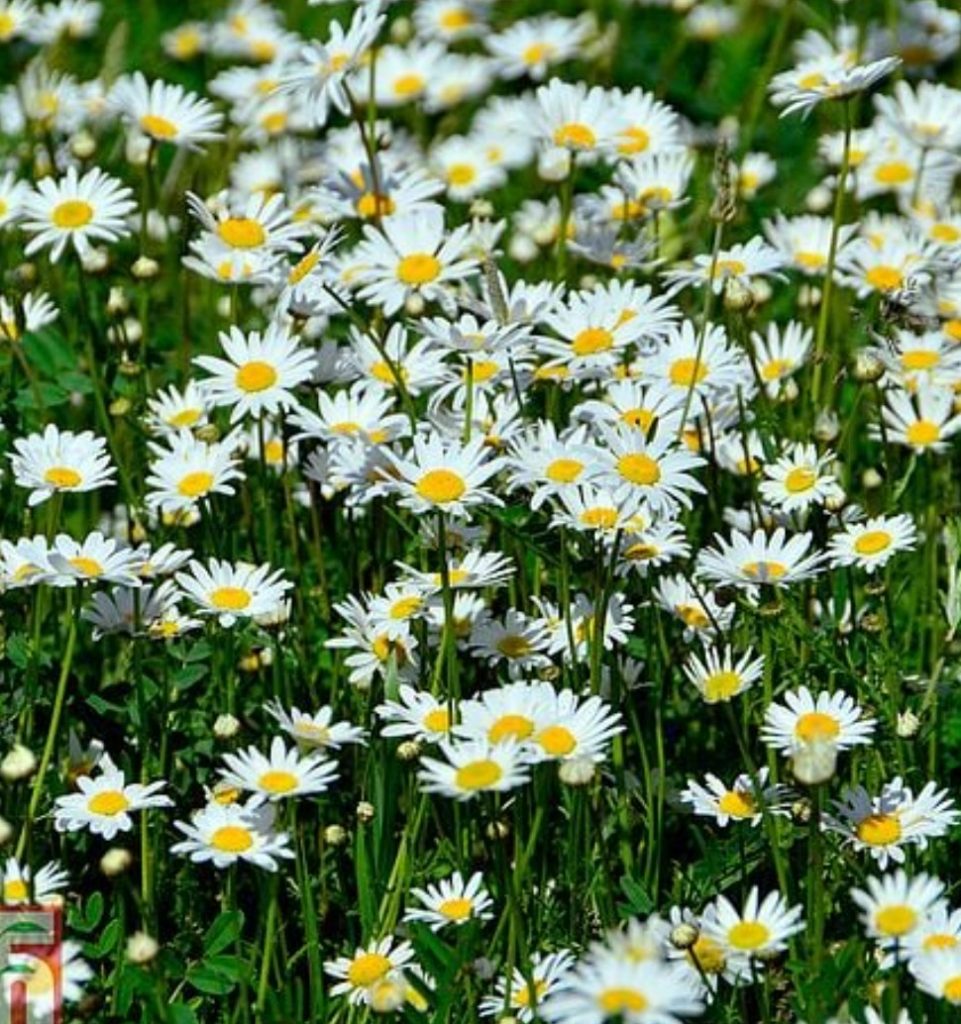
- Flowers: Camomile flowers resemble small daisies, featuring a central yellow disc surrounded by white petals. The flowers are typically about 1 to 2 centimetres in diameter.
- Leaves: The leaves are finely divided, feathery, and fern-like, with a soft, delicate texture.
- Plant Height: Camomile generally grows between 30 to 60 centimetres tall, with some varieties reaching slightly taller.
Botanical Details
- Stem: The stems are slender, erect, and often slightly hairy.
- Color: The plant exhibits a vibrant green hue for both leaves and stems.
- Aroma: When crushed or rubbed, chamomile releases a sweet, apple-like scent that is characteristic of the herb.
Growing Conditions
- Habitat: Camomile thrives in well-drained soils with full sun exposure. It is commonly cultivated in gardens or found growing wild in temperate regions.
- Seasonality: The flowering period typically occurs from late spring to early summer.
Practical Tips for Identification
- Examine the flower’s structure carefully; the daisy-like appearance is distinctive.
- Smell the plant; the sweet apple scent is a reliable indicator.
- Observe the leaf pattern; finely divided, feathery leaves are characteristic.
- Confirm the plant’s height and growth habit to distinguish it from similar species.
Uses of Camomile
Medicinal Applications
- Camomile is widely valued for its calming and soothing properties.
- It is commonly used in the preparation of teas to promote relaxation, reduce stress, and improve sleep quality.
- Additionally, camomile extracts are applied topically to alleviate skin irritations, such as eczema, minor wounds, and rashes.
- Its anti-inflammatory and antioxidant qualities also support digestive health by easing indigestion and gastrointestinal discomfort.
Herbal Remedies
- Camomile is used in various herbal remedies for its mild sedative effects, aiding in alleviating anxiety and promoting restful sleep.
- It is also employed in formulations aimed at relieving menstrual cramps and reducing inflammation.
Culinary Uses
- Though primarily utilized for medicinal purposes, camomile flowers are sometimes used as an edible garnish or infused into culinary preparations to impart a subtle floral flavour.
Household Applications
- The dried flowers of camomile can be used in potpourri or as natural air fresheners due to their pleasant aroma.
- They may also serve as a natural insect repellent when placed around living spaces.
Note: Always ensure proper identification before consumption or medicinal use to avoid potential confusion with similar-looking plants.