Caraway (Carum carvi)
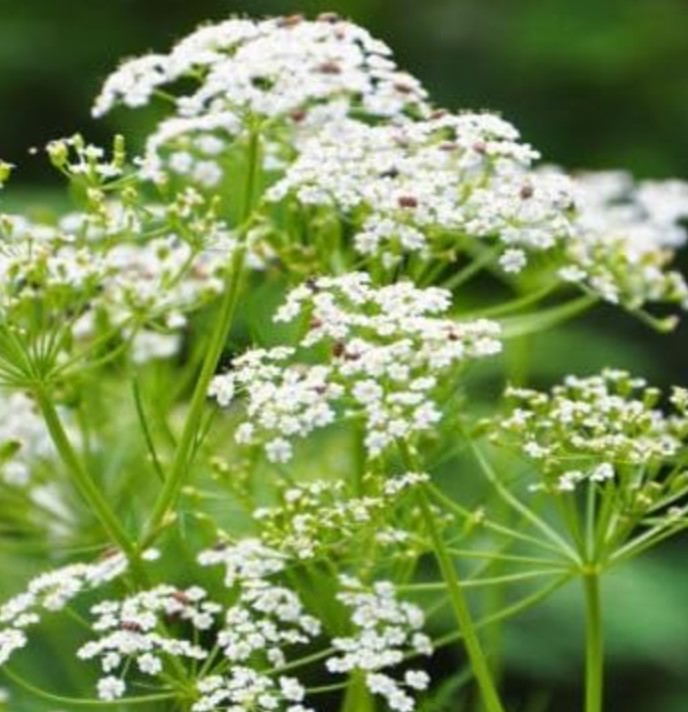
How to Identify Caraway
Caraway (Carum carvi) is a biennial plant belonging to the Apiaceae family, commonly known for its aromatic seeds used in culinary and medicinal applications. Proper identification of caraway involves observing several distinctive features:
Plant Appearance
- Height: Typically grows between 30 to 60 centimeters (12 to 24 inches).
- Stems: Thin, erect, and slightly branched with a hollow structure.
- Leaves: Finely divided, fern-like leaves with a feathery appearance. The lower leaves are larger, while the upper leaves tend to be smaller and more delicate.
Flowers
- Inflorescence: Umbel-shaped clusters, characteristic of the Apiaceae family.
- Color: Small, white or pale pink flowers.
- Blooming Period: Usually from late spring to early summer.
Seeds
- Shape: Oblong and ridged with a slightly curved form.
- Size: Approximately 4–6 mm long.
- Color: Light brown to tan when mature.
- Aroma: Distinctive sweet, spicy aroma reminiscent of anise or fennel.
Habitat
- Prefers well-drained soils in temperate regions.
- Often found in fields, roadsides, and cultivated gardens.
Additional Tips
- When harvesting, the seeds are typically collected after the plant has flowered and the seed heads have dried.
- The plant’s aroma is a reliable indicator; crush a seed or leaf gently to release its characteristic scent for confirmation.
Uses of Caraway
Culinary Applications
- Caraway seeds are widely used as a spice to enhance the flavour of various dishes.
- They are commonly incorporated into bread, especially rye bread, as well as in soups, stews, and sauerkraut.
- The seeds impart a warm, slightly peppery, and sweet aroma that enriches the taste profile of culinary creations.
Medicinal Uses
- Traditionally, caraway has been employed in herbal medicine for its digestive benefits. It is believed to alleviate indigestion, bloating, and gas.
- Caraway extracts or seeds are sometimes used in teas or tinctures to support gastrointestinal health and soothe stomach discomfort.
Aromatherapy and Fragrance
- The essential oil derived from caraway seeds is valued for its aromatic properties.
- It is utilized in aromatherapy to promote relaxation and relieve stress.
- Additionally, the oil may be included in cosmetic products such as lotions and perfumes for its distinctive scent.
Preservation and Food Processing
- Due to its antimicrobial properties, caraway seeds can be used as a natural preservative in food products. Their inclusion helps inhibit the growth of certain bacteria, thereby extending shelf life.
Note: Always ensure proper identification before consumption or medicinal use to avoid potential confusion with similar-looking plants.