Angelica (Angelica archangelica)
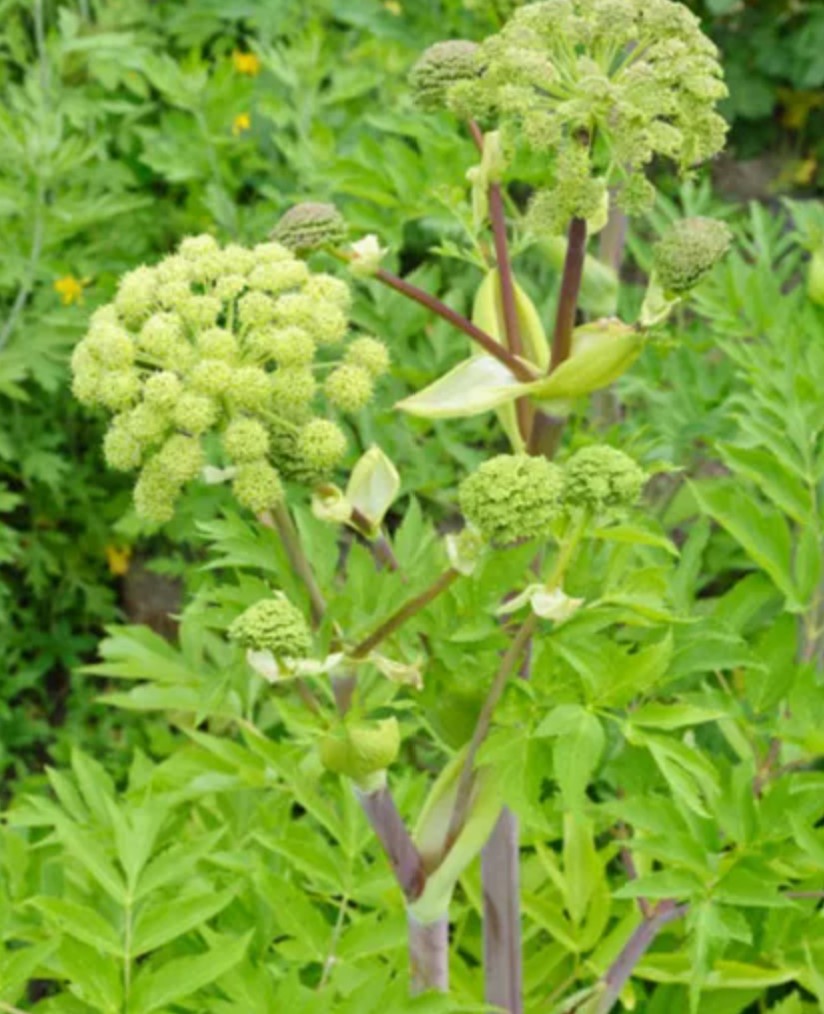
How to Identify Angelica
Angelica (Angelica archangelica) is a genus of aromatic plants known for their distinctive appearance and medicinal properties. To accurately identify Angelica, consider the following characteristics:
Botanical Features
- Height: Typically grows between 1.2 to 2.5 meters tall.
- Stems: Hollow, smooth, and often reddish or purple tinged.
- Leaves: Large, compound leaves with serrated edges; the upper leaves are usually more divided.
- Flowers: Umbel-shaped clusters of small, white or pale green flowers that bloom in late spring to early summer.
- Roots: Thick, tuberous roots that emit a strong, aromatic scent when fresh.
Habitat and Growing Conditions
- Prefers moist, well-drained soils rich in organic matter.
- Commonly found in meadows, along riverbanks, and in woodland clearings.
- Thrives in temperate climates with full sun exposure.
- Can be grown as a garden plant.
Additional Indicators
- The plant’s aroma is distinctive—fragrant and sweet when crushed.
- The flowering umbels resemble those of carrots or dill but are larger and more prominent.
Caution
Due to similarities with other plants, particularly poisonous ones like Hemlock, it is crucial to exercise caution. Always consult a botanist or use a reliable plant identification guide before handling or consuming any wild Angelica.
Uses of Angelica
Culinary Applications
- Angelica is often utilized in culinary practices for its aromatic qualities.
- The stems, leaves, and seeds can be incorporated into confectionery, desserts, and liqueurs.
- Its sweet, fragrant flavour enhances candies, jams, and baked goods, providing a distinctive herbal note.
Medicinal Purposes
- Traditionally, Angelica has been employed in herbal medicine to address various ailments.
- It is believed to possess anti-inflammatory, digestive, and respiratory benefits.
- Extracts and infusions made from the plant are used to alleviate indigestion, colds, and coughs.
Aromatherapy and Fragrance
- The essential oils derived from Angelica are valued in aromatherapy for their calming effects.
- The oil’s aromatic properties are also utilized in perfumery and natural fragrances, imparting a warm, spicy scent.
Ornamental Use
- Due to its striking appearance and tall stature, Angelica is sometimes cultivated as an ornamental plant in gardens. Its large leaves and umbrella-shaped flower clusters add aesthetic appeal to landscape designs.
Caution
While Angelica offers numerous benefits, it is essential to exercise caution due to its similarity to toxic plants such as Hemlock. Proper identification and consultation with experts are recommended before any use involving ingestion or topical application.