Summer Purslane (Portulaca oleracea)
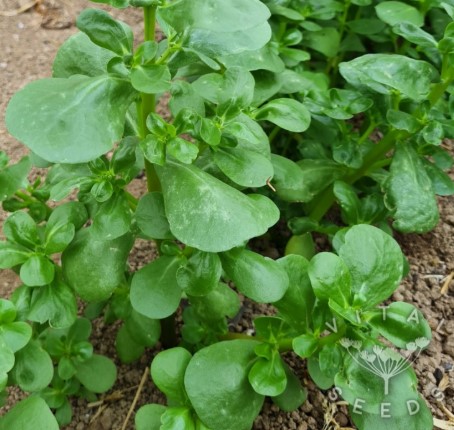
How to Identify Summer Purslane
Summer purslane (Portulaca oleracea), is a resilient and nutritious plant commonly found in warm climates. The following characteristics serve as reliable indicators of summer purslane:
Physical Appearance
- Leaves: Succulent, fleshy, and smooth with a slightly rounded or oval shape. They are typically bright green but may display reddish hues along the edges or stems during hot weather.
- Stems: Thin, tender, and often sprawling or trailing across the ground. The stems are usually reddish or greenish and can grow up to 30 centimeters in length.
- Flowers: Bright, cup-shaped flowers that bloom during the warmer months. They are usually yellow or orange with five petals and open during the day.
Growth Pattern
- Purslane tends to form low-growing mats or clusters close to the soil surface.
- It thrives in disturbed soils, gardens, cracks in pavement, and along roadsides.
Habitat
- Prefers full sun exposure.
- Flourishes in well-drained soils and is tolerant of drought conditions.
Additional Tips
- The plant exudes a slightly salty taste when leaves are chewed.
- It is often mistaken for other succulent plants; however, its distinctive flower structure and growth habit help distinguish it.
Uses of Summer Purslane
Summer purslane is a versatile plant valued for its nutritional, medicinal, and culinary applications. Its adaptability and rich nutrient profile make it a beneficial addition to various contexts.
Culinary Uses
- Salads: Fresh purslane leaves add a crisp texture and tangy flavor to salads.
- Soups and Stews: The plant can be incorporated into soups, providing a nutritious boost.
- Pickling: Purslane can be pickled to preserve its flavor and enjoyed as a condiment.
- Herbal Garnish: Its bright appearance makes it suitable as an edible garnish for dishes.
Nutritional Benefits
- Rich in Omega-3 Fatty Acids: Particularly alpha-linolenic acid, contributing to heart health.
- High in Vitamins and Minerals: Including vitamins A, C, E, magnesium, and potassium.
- Source of Antioxidants: Which help combat oxidative stress.