Salad Rocket (Eruca vesicaria)
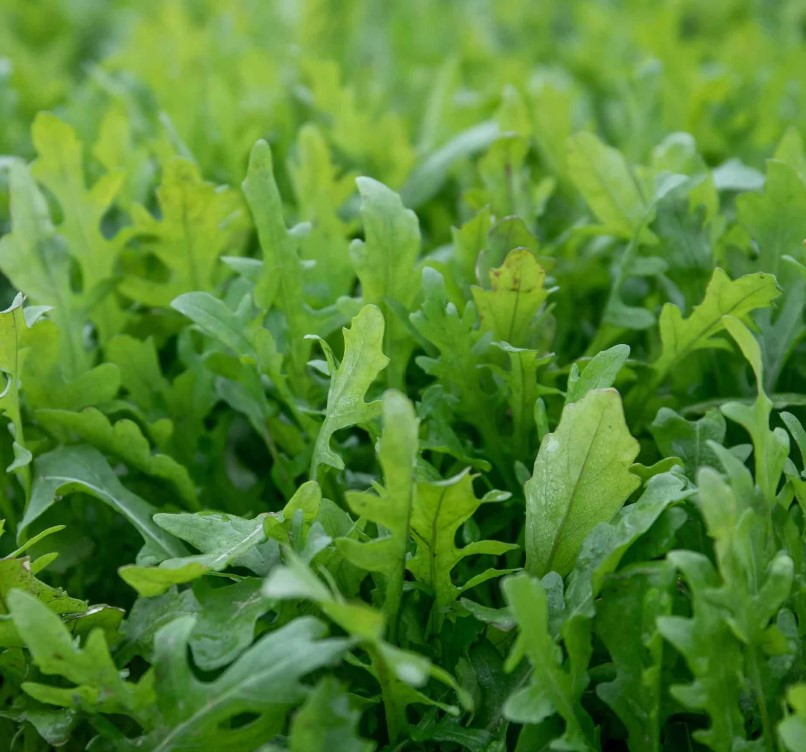
How to Identify Salad Rocket
Salad rocket (Eruca vesicaria), also known as arugula or rocket salad, is a leafy green vegetable prized for its peppery flavor and versatility in culinary applications. Proper identification ensures freshness and quality for consumption.
Visual Characteristics
- Leaves: The leaves are typically elongated, narrow, and lobed with a slightly serrated edge. They often have a vibrant green color, ranging from bright to dark green depending on maturity.
- Size: Mature leaves generally measure between 2 to 6 inches in length.
- Texture: The leaves possess a tender yet slightly crisp texture.
Botanical Features
- Stem: The plant has slender, upright stems that support the leaves.
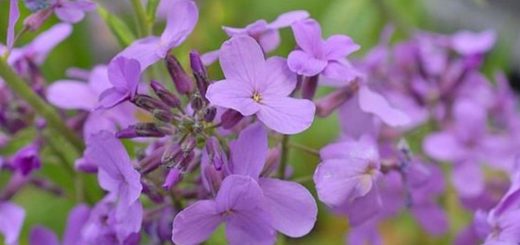
- Flowers: When flowering, it produces small white or pale purple flowers with four petals, although this is less common during harvest.
Growth Habit
- Salad rocket grows as an annual herb, thriving in temperate climates.
- It prefers well-drained soil and full sun exposure for optimal growth.
Additional Tips
- Smell: The aroma is distinctive—peppery and slightly spicy.
- Taste: When tasted raw, it offers a sharp, peppery flavor that can vary in intensity.
Common Varieties
- Wild Rocket: Has a more intense flavor and sometimes more jagged leaves.
- Cultivated Rocket: Usually milder and more uniform in appearance.
Uses of Salad Rocket
Salad rocket (Eruca vesicaria) is a versatile leafy green that enhances various culinary dishes and offers numerous health benefits. Its distinctive peppery flavor makes it a popular ingredient in both raw and cooked preparations.
Culinary Applications
- Salads: Primarily used fresh in salads to add a spicy, peppery note.
- Sandwiches and Wraps: Adds flavor and texture when included in sandwiches or wraps.
- Pesto and Sauces: Incorporated into pestos or herb sauces for an added kick.
- Garnishes: Used as an attractive and flavorful garnish for soups, main courses, and appetizers.
- Cooked Dishes: Slightly wilted or sautéed as a side vegetable or ingredient in pasta and rice dishes.
Nutritional Benefits
- Rich in Vitamins: Contains vitamins A, C, and K, supporting immune function and bone health.
- Antioxidant Properties: Provides antioxidants that help combat oxidative stress.
- Digestive Aid: Its fiber content promotes healthy digestion.
- Low-Calorie Content: Suitable for weight management diets due to its low calorie density.
Decorative Use
- Its vibrant green leaves and delicate flowers make it an appealing addition to edible arrangements and culinary presentations.