Sage (Salvia officinalis)
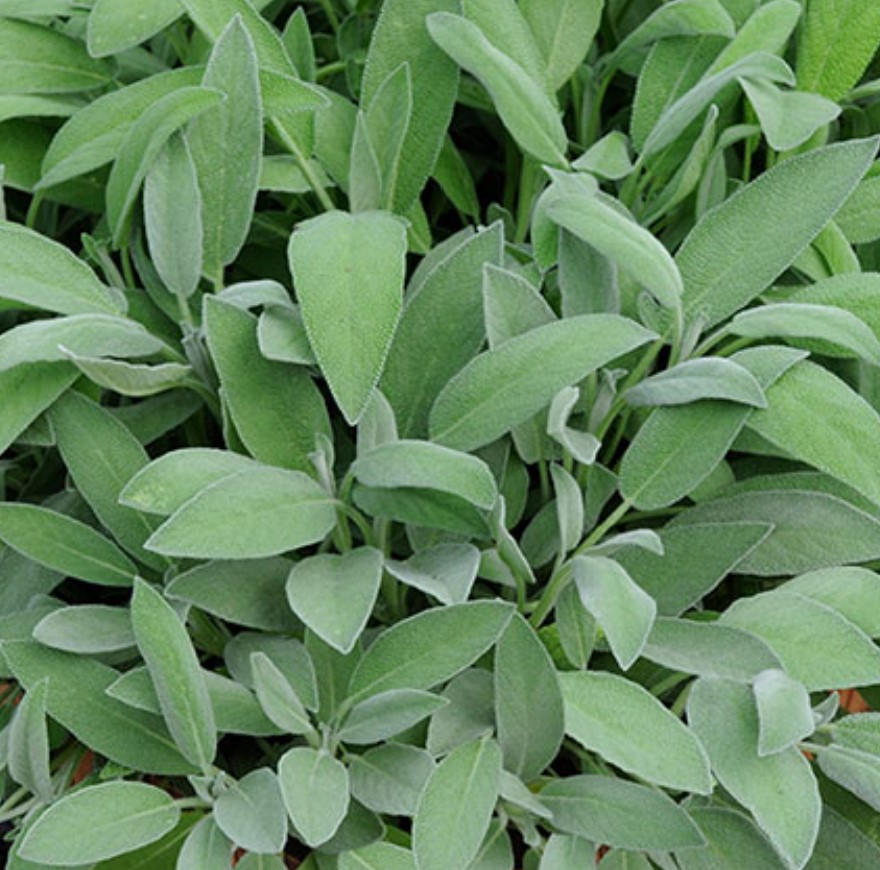
How to Identify Sage
Sage, (Salvia officinalis) a perennial herb known for its aromatic leaves and culinary as well as medicinal uses, can be distinguished through several characteristic features. Proper identification ensures the correct application and prevents confusion with similar plants.
Visual Characteristics
- Leaves: Sage leaves are typically elongated, oval-shaped, and have a slightly fuzzy texture due to fine hairs. They are usually gray-green in color but can vary depending on the variety.
- Aroma: When crushed, sage leaves emit a strong, earthy aroma with hints of camphor and eucalyptus.
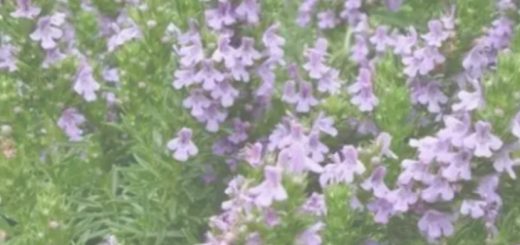
- Flowers: Sage produces tall spikes of tubular flowers that range in color from purple and blue to white. The flowers bloom in late spring to early summer.
- Stems: The stems are woody at the base with square-shaped cross-sections, a common trait among members of the mint family.
Growing Conditions
- Sage prefers well-drained soil and full sunlight.
- It thrives in temperate climates and requires minimal watering once established.
Differentiation from Similar Plants
- Unlike mint, sage has a more robust aroma and fuzzy leaves.
- It is distinct from lavender by its leaf shape and flower structure.
- Be cautious of look-alikes such as certain species of salvia; verify by leaf texture, scent, and flower color.
Practical Tips for Identification
- Crush a leaf to assess its scent—authentic sage has a distinctive aroma.
- Observe the plant’s growth habit and flowering pattern during the blooming season.
- When in doubt, consult a local botanist or use plant identification apps for confirmation.
Uses of Sage
Culinary Applications
- Sage is widely valued for its culinary versatility.
- Its aromatic leaves are used to enhance the flavor of various dishes, including meats, poultry, stuffing, and sauces.
- The herb’s robust flavor adds depth to roasted vegetables and is often incorporated into marinades and herb blends.
Medicinal Benefits
- Sage infusions and teas are commonly used to soothe sore throats, improve digestion, and support oral health
Ornamental Use
- Beyond its practical applications, sage is also cultivated as an ornamental plant in gardens.
- Its attractive foliage and colourful flowers contribute aesthetic value while attracting pollinators such as bees and butterflies.
Pest Repellent
- Dried sage bundles are sometimes used as natural repellents for insects and pests when placed around homes or gardens, leveraging its strong scent to deter unwanted visitors.