Sorrel (Rumex acetosa)
How to Identify Sorrel
Sorrel (Rumex acetosa) is a perennial herb known for its distinctive appearance and tangy flavour. Proper identification is essential for culinary use and foraging purposes. The following characteristics can aid in recognizing sorrel:
Leaf Shape and Texture
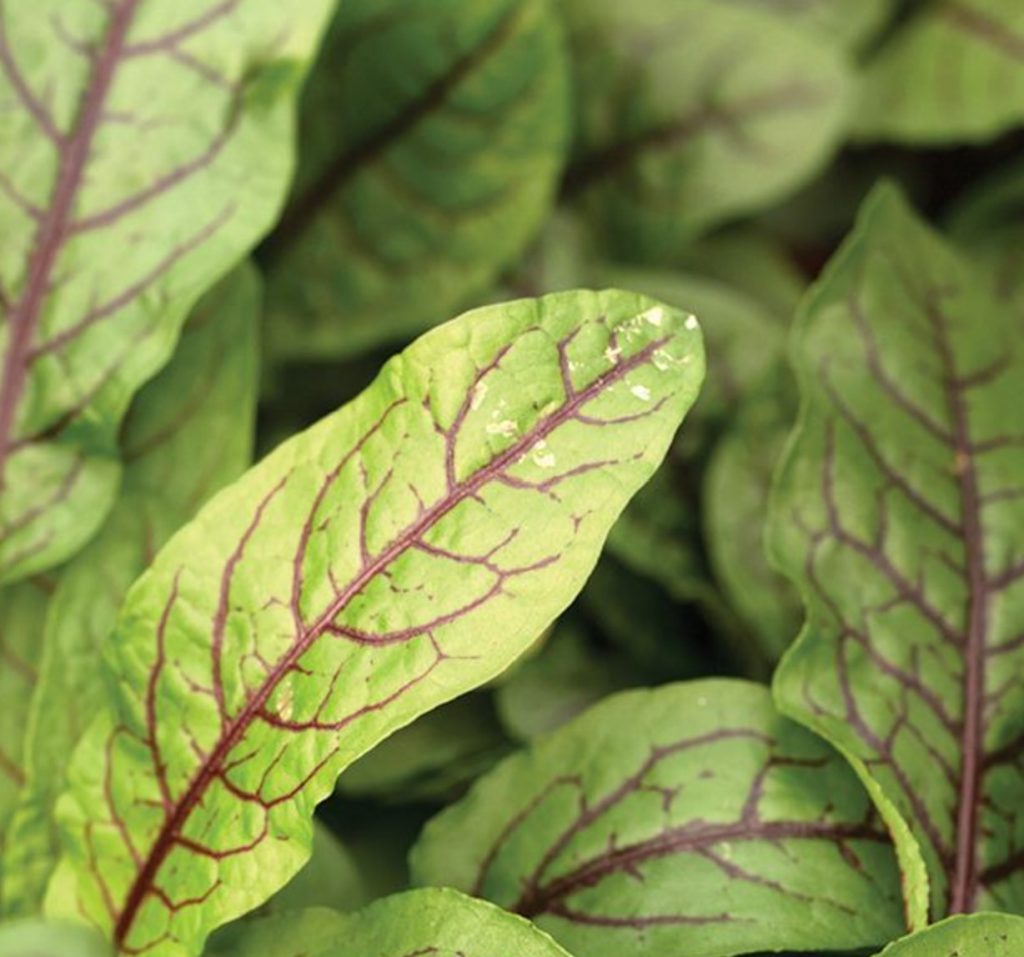
- Shape: Leaves are typically arrow-shaped or lanceolate, with a pointed tip and a broad base.
- Texture: The leaves are smooth, glossy, and have a slightly leathery feel.
- Color: They display a vibrant green hue, often darker on the upper surface and lighter underneath.
Growth Pattern
- Sorrel usually grows in clumps or rosettes close to the ground.
- It tends to form low, spreading patches with upright stems.
Stems
- The stems are slender, reddish or greenish, and may have a slightly hairy texture.
- They can reach heights of approximately 30 to 60 centimeters.
Flowers
- During flowering season, sorrel produces small, bell-shaped flowers clustered at the top of the stems.
- Flowers are typically greenish or pale yellow.
Taste
- A key identifying feature is its sharp, lemony flavor due to natural oxalic acid content.
- This tanginess is prominent when tasting a small leaf sample (only if certain of identification).
Habitat
- Sorrel prefers moist, well-drained soils and can often be found in gardens, along roadsides, or in shaded woodland areas.
Uses of Sorrel
Culinary Applications
Sorrel is widely appreciated in the culinary world for its distinctive tangy flavor. It is commonly used to enhance a variety of dishes, including:
- Soups and Stews: Adding a fresh, lemony note to broths and hearty stews.
- Salads: Incorporating raw leaves for a zesty flavor and vibrant color.
- Sauces: Preparing tangy sauces to accompany meats, fish, or vegetables.
- Beverages: Infusing sorrel into teas or making traditional drinks such as sorrel punch.
Ornamental Purposes
Due to its attractive foliage and flowering stems, sorrel can also serve as an ornamental plant in gardens, providing visual interest throughout the growing season.