Mint
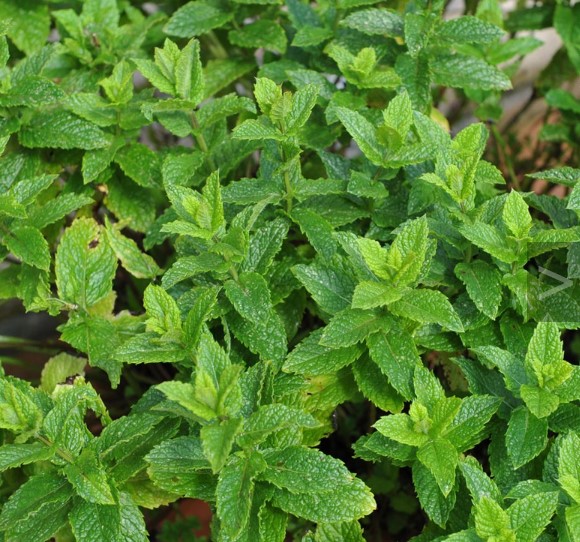
How to Identify Mint
Identifying mint involves observing its distinctive physical characteristics and growth habits. The following features are key indicators:
Leaf Characteristics
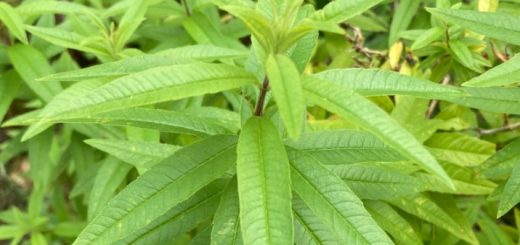
- Shape and Texture: Mint leaves are typically oval or lance-shaped with serrated edges. They have a soft, slightly fuzzy texture.
- Color: The leaves are usually vibrant green, though some varieties may exhibit darker or lighter shades.
- Aroma: A hallmark of mint is its strong, refreshing aroma. Gently crush a leaf to release its characteristic menthol scent, which is cool and invigorating.
Growth Pattern
- Stems: Mint plants have square-shaped stems, a common trait among members of the Lamiaceae family.
- Height: They generally grow between 30 cm to 90 cm tall, depending on the variety.
- Spread: Mint tends to spread rapidly through underground runners, forming dense patches.
Flowers
- Appearance: Small, tubular flowers often appear in whorled clusters at the top of the stems.
- Color: Flower colors vary by species but are commonly purple, pink, or white.
Additional Tips
- Taste Test: If safe and appropriate, a small taste can confirm mint’s flavor—cool, sweet, and slightly spicy.
- Habitat: Mint prefers moist, partially shaded areas but can adapt to various environments.
Careful observation of these features will aid in accurately identifying mint plants in natural or cultivated settings.
Uses of Mint
Mint is a versatile herb that has been valued for centuries for its numerous applications across culinary, medicinal, and practical domains. Its refreshing aroma and distinctive flavor make it a popular choice in various contexts.
Culinary Uses
- Flavouring Agent: Mint leaves are commonly used to add a fresh, cool taste to dishes, beverages, and desserts.
- Beverages: It is a key ingredient in drinks such as mojitos, mint juleps, and herbal teas.
- Garnish: Fresh mint sprigs serve as an attractive and aromatic garnish for salads, cocktails, and main courses.
Medicinal Uses
- Digestive Aid: Mint is traditionally used to soothe indigestion, bloating, and stomach discomfort.
- Respiratory Relief: Its menthol content can help alleviate congestion and respiratory issues.
- Pain Relief: Topical applications of mint extracts are sometimes employed to reduce headaches and muscle pain.
Practical and Household Uses
- Air Freshener: The scent of mint acts as a natural deodorizer for homes and personal spaces.
- Insect Repellent: Mint plants can deter pests such as ants, mosquitoes, and flies when planted around the home.
- Oral Hygiene: Mint is a common ingredient in toothpaste, mouthwash, and breath fresheners due to its antibacterial properties and pleasant aroma.