Lavender
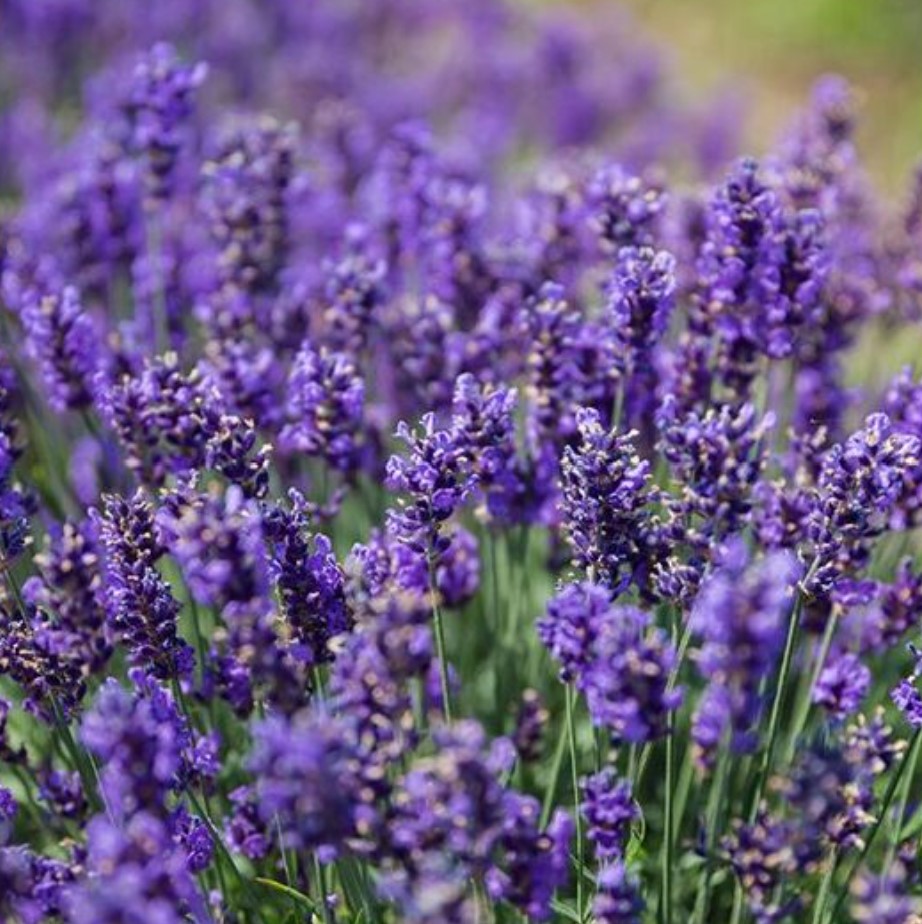
How to Identify Lavender
Lavender is a widely appreciated aromatic and drought resistant plant, known for its distinctive appearance and fragrance. Proper identification involves examining several key features:
Visual Characteristics
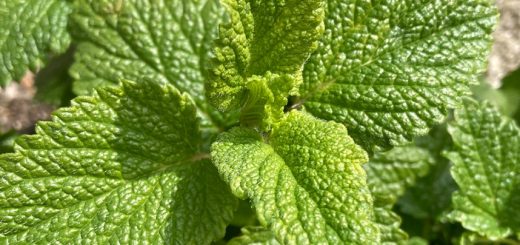
- Leaves: Lavender leaves are narrow, elongated, and gray-green in color. They often have a slightly fuzzy texture due to fine hairs covering their surface.
- Stems: The stems are woody at the base and become more herbaceous towards the top, typically slender and upright.
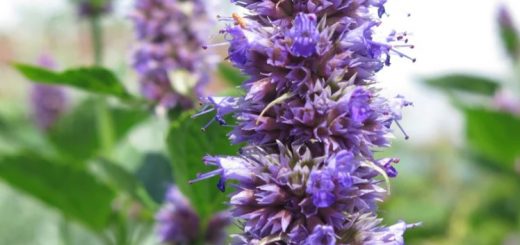
- Flowers: Lavender produces spikes of small, tubular flowers that are densely packed along the stem. The flowers are usually purple or violet, although some varieties may display blue or white hues.
- Growth Habit: The plant generally grows in bushy, compact clusters reaching heights of approximately 1 to 3 feet.
Fragrance
- Aromatic Quality: One of lavender’s most distinctive features is its sweet, floral scent with hints of balsamic and herbal undertones. Smelling the flowers or leaves can aid in identification.
Blooming Season
- Timing: Lavender typically blooms during late spring to early summer, with flowering periods varying slightly depending on the climate and variety.
Habitat
- Growing Conditions: Lavender thrives in well-drained, sandy or gravelly soils with full sun exposure. It is commonly found in gardens, dry hillsides, and Mediterranean regions.
Uses of Lavender
Medicinal Applications
- Traditionally, lavender has been employed for its antiseptic and anti-inflammatory properties.
- It is used in topical applications to treat minor burns, insect bites, and skin irritations.
- Additionally, lavender infusions are sometimes used to ease headaches and minor pain.
Culinary Uses
- Lavender flowers are edible and can be utilized as a flavouring in culinary dishes.
- They add a floral note to baked goods, desserts, teas, and beverages, providing a unique aromatic experience.
Household and Personal Care
Lavender is a common ingredient in natural cleaning products due to its antibacterial qualities. It is also used in making perfumes, soaps, lotions, and sachets to impart a fresh fragrance.
Gardening and Pest Control
- Lavender serves as a natural repellent for pests such as mosquitoes, moths, and flies.
- Planting lavender around gardens or homes can help deter unwanted insects while adding aesthetic appeal.
Decorative Purposes
- The vibrant purple flowers of lavender are often used in floral arrangements, dried bouquets, and crafts.
- Their visual appeal enhances the aesthetic value of various decorative items.