Sweet Rocket (Hesperis matronalis)
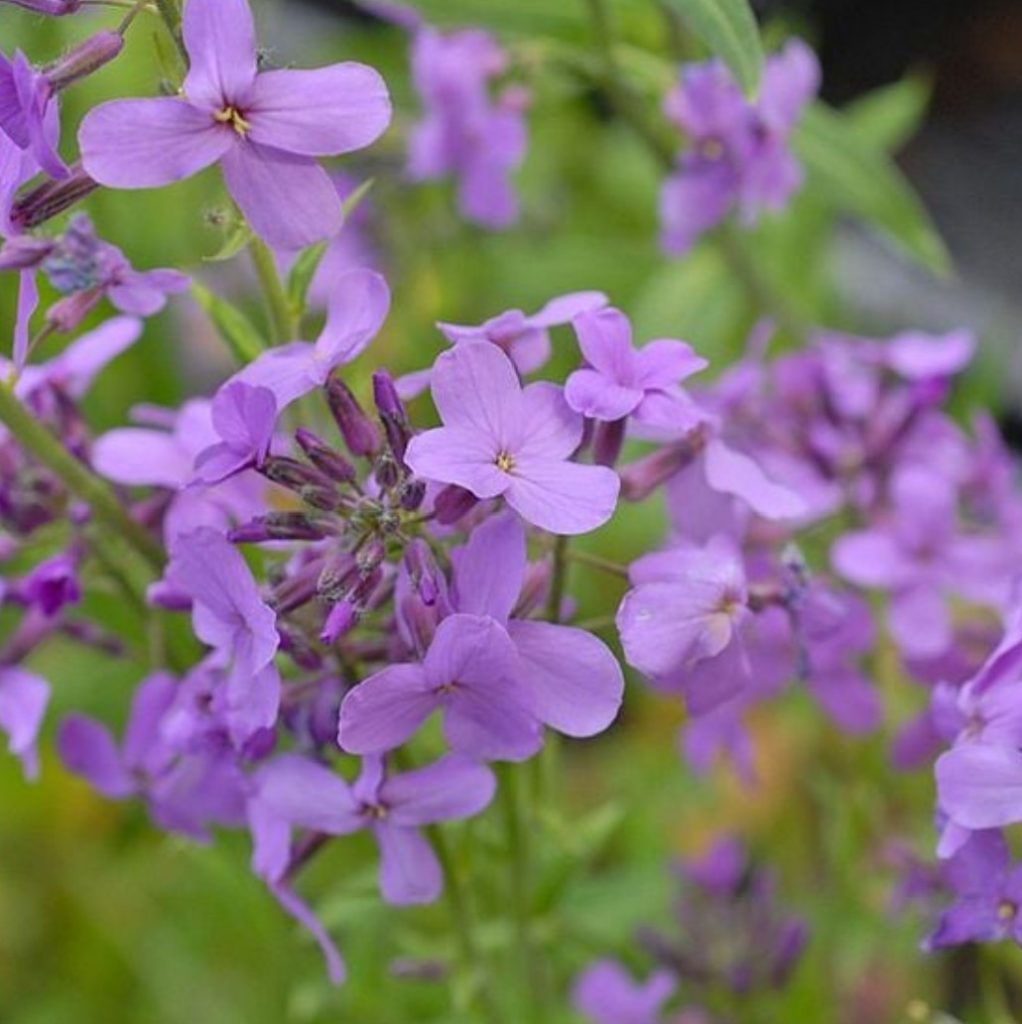
How to Identify Sweet Rocket
Sweet rocket (Hesperis matronalis), is a perennial flowering plant appreciated for its fragrant blooms and ornamental appeal. Proper identification involves examining several key characteristics:
Leaves
- The leaves are lance-shaped, narrow, and arranged alternately along the stem.
- They typically have a smooth margin and are slightly hairy to the touch.
Stems
- The plant features erect, square-shaped stems that can reach heights of 1 to 3 feet.
- The stems are often branched and may have a slightly hairy texture.
Flowers
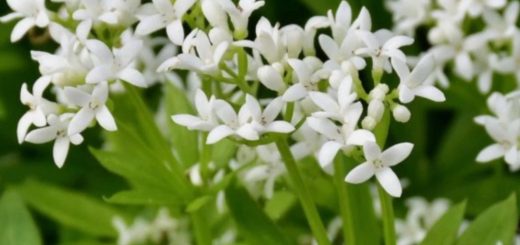
- Sweet rocket produces clusters of small, four-petaled flowers.
- The flowers are usually pale purple or lavender, with some varieties displaying white or pink hues.
- Blooming occurs from late spring to early summer.
Fragrance
- One of the most distinctive features is its sweet, spicy fragrance emanating from the flowers, especially noticeable in the evening.
Seed Pods
- After flowering, elongated seed pods develop, containing numerous tiny seeds.
- These pods are slender and may remain on the plant into late summer or fall.
Growth Habit
- The plant tends to grow upright with a bushy appearance.
- It prefers well-drained soil and full sun but can tolerate partial shade.
Habitat
- Commonly found in gardens, meadows, and along roadsides.
- It thrives in temperate regions and is often cultivated for ornamental purposes.
Uses of Sweet Rocket
Sweet rocket is valued not only for its ornamental beauty but also for various practical applications. Its fragrant flowers and adaptable growth make it a versatile plant in different contexts.
Ornamental Use
- Garden Decoration: Frequently cultivated in gardens and landscapes for its attractive, fragrant blooms that add color and scent to flower beds, borders, and containers.
- Pollinator Attraction: Its nectar-rich flowers attract bees, butterflies, and other pollinators, supporting local ecosystems.
Fragrance and Aromatherapy
- Natural Fragrance: The sweet, spicy scent of its flowers makes it suitable for use in natural perfume formulations or as a fragrant addition to floral arrangements.
Cultural and Traditional Uses
Ecological Benefits
- Habitat Support: Serves as a beneficial plant for supporting pollinators and maintaining biodiversity within garden ecosystems.