Meadowsweet (Filipendula ulmaria)
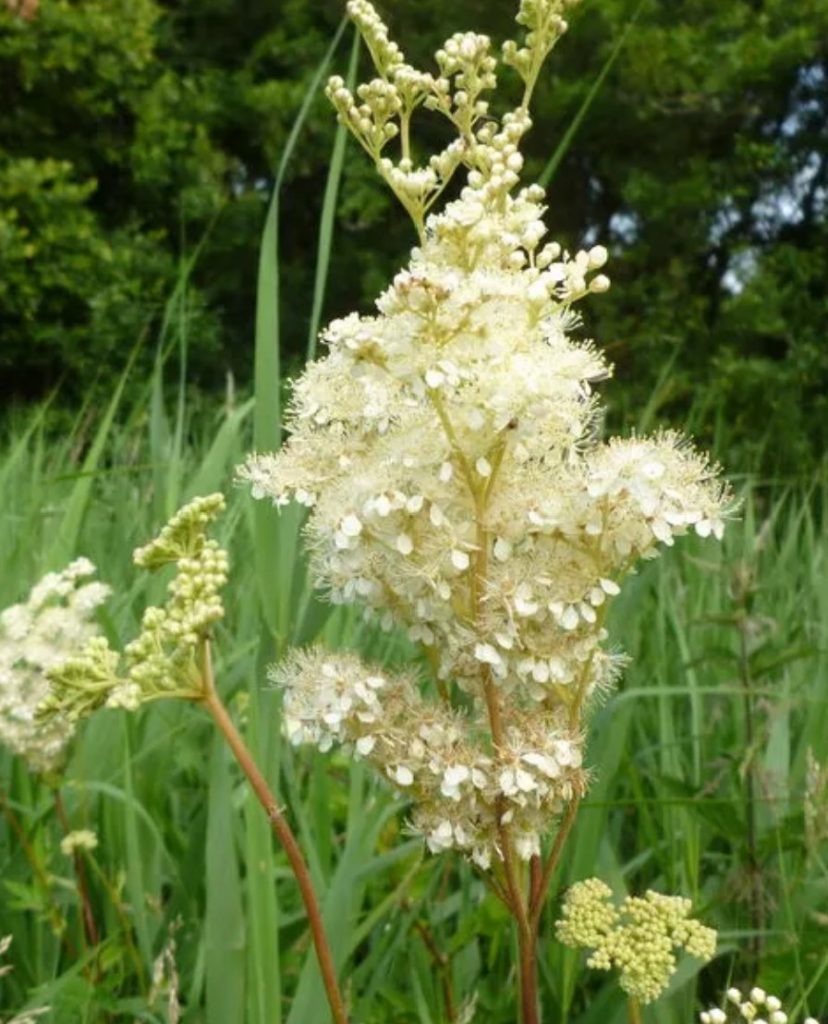
How to Identify Meadowsweet
Meadowsweet (Filipendula ulmaria) is a perennial herbaceous plant renowned for its delicate appearance and fragrant flowers. Proper identification involves examining several distinctive features:
Habitat and Growth Environment
Meadowsweet typically thrives in moist, nutrient-rich soils found in meadows, along riverbanks, and in damp woodland clearings. It prefers areas with ample sunlight but can tolerate partial shade.
Stem Characteristics
The plant exhibits tall, erect stems that can reach heights of up to 1.5 meters. The stems are slender, slightly hairy, and often have a reddish or purple hue near the base.
Leaves
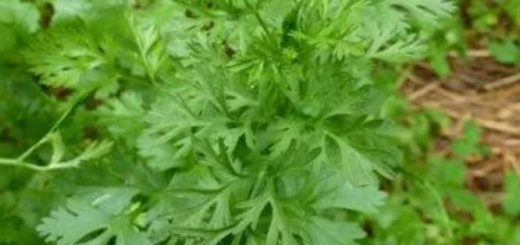
The leaves are pinnate with serrated edges, arranged alternately along the stem. They are composed of several leaflets that are ovate to lance-shaped, with a rough texture and prominent veins.
Flowers
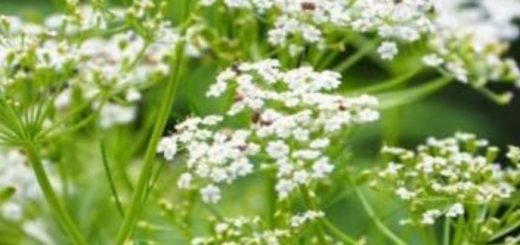
The most distinctive feature of Meadowsweet is its dense cluster of creamy-white flowers arranged in flat-topped or rounded inflorescences called cymes. The flowers bloom from late spring to early summer and emit a sweet, almond-like fragrance.
Flowers’ Structure
Each flower consists of five petals that are deeply notched or divided, giving them a fringed appearance. The central cluster contains numerous tiny stamens and pistils.
Foliage Fragrance
Crushing the leaves or flowers releases a sweet aroma reminiscent of almonds or marzipan, which is characteristic of Meadowsweet.
Additional Tips
- Look for the plant during its flowering season for easier identification.
- Be cautious to distinguish Meadowsweet from similar plants such as meadowsweet relatives or other white-flowered species by examining flower structure and scent.
Uses of Meadowsweet
Culinary Uses
The flowers and leaves of Meadowsweet can be utilized in culinary preparations:
- Infused into teas for their soothing effects
- Used as a flavoring agent in desserts and beverages, imparting a sweet, almond-like aroma
Aromatherapy and Fragrance
Due to its distinctive scent, Meadowsweet is sometimes incorporated into:
- Potpourri blends
- Natural perfumes and scented oils
Its fragrant qualities contribute to creating calming environments.
Ornamental Value
Beyond its practical uses, Meadowsweet is cultivated as an ornamental plant in gardens for its attractive flower clusters and pleasant fragrance, enhancing landscape aesthetics.
Ecological Benefits
The plant provides habitat and nectar for various pollinators, supporting biodiversity within its growing environment. Its presence can contribute to the health of wetland ecosystems.
Cautionary Note
While Meadowsweet offers numerous benefits, it should be used with caution by individuals allergic to aspirin or those on blood-thinning medications. Consultation with a healthcare professional is advised before incorporating it into medicinal or dietary routines.