Coriander (Coriandrum sativum)
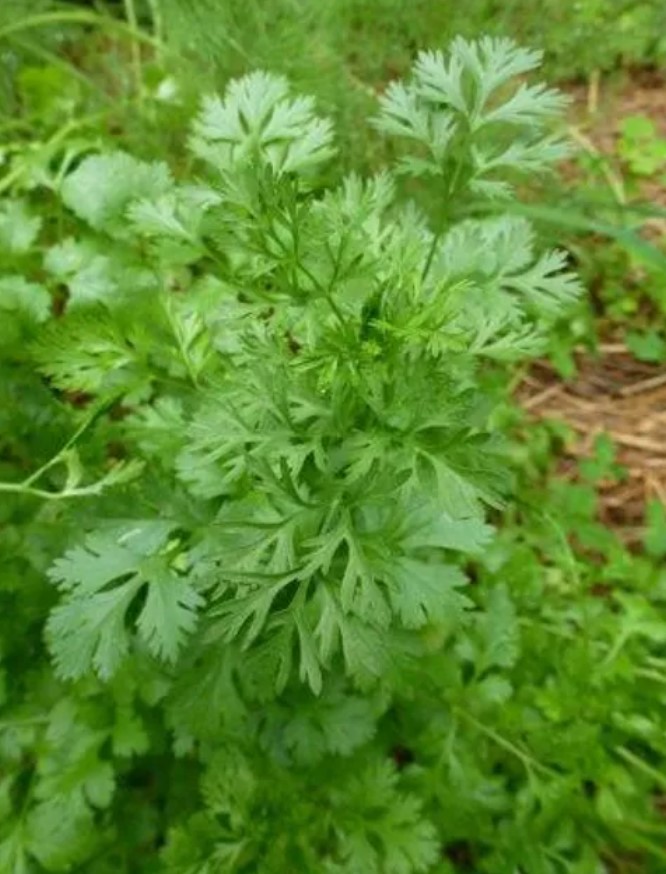
How to Identify Coriander
Coriander (Coriandrum sativum), also known as cilantro or Chinese parsley, can be distinguished by several characteristic features. Accurate identification ensures proper usage and avoids confusion with similar herbs.
Visual Characteristics
- Leaves: The fresh leaves are bright green, delicate, and feathery with serrated edges. They resemble flat-leaf parsley but are more finely divided.
- Stems: Thin, soft, and slightly aromatic when crushed.
- Seeds: The seeds are round, small, and light brown to beige in color. They have a distinctive ridged surface and emit a warm, spicy aroma when ground.
Aroma
- Fresh coriander leaves have a citrusy, slightly spicy scent that is easily recognizable.
- The seeds possess a warm, nutty aroma with hints of citrus.
Growth Habit
- Coriander plants typically grow up to 50 cm (20 inches) tall.
- They feature slender stems with clusters of small white or pale pink flowers that bloom in umbrella-shaped umbels.
Seasonal Appearance
- The herb is usually cultivated during cooler months but can be grown year-round in suitable climates.
- Leaves are most vibrant and fragrant during the early stages of growth.
Tips for Accurate Identification
- Always differentiate between coriander leaves and similar herbs such as flat-leaf parsley or fennel fronds.
- Confirm the presence of aromatic qualities both in the leaves and seeds.
- When in doubt, examine the seeds’ ridged surface and aroma for confirmation.
Proper identification of coriander ensures its effective use in culinary, medicinal, or aromatic applications.
Uses of Coriander
Coriander, also known as cilantro or Chinese parsley, is a versatile herb widely appreciated for its culinary and medicinal applications. Its fresh leaves and seeds are utilized in various ways to enhance flavour and promote health.
Culinary Uses
- Flavouring in Dishes: Coriander leaves are commonly used as a garnish or ingredient in salads, salsas, curries, and soups to impart a fresh, citrusy aroma.
- Spice Preparation: The seeds are ground into powder or used whole in spice blends such as garam masala, curry powders, and pickling mixtures.
- Marinades and Sauces: Both leaves and seeds add depth to marinades, chutneys, and sauces, enhancing the overall taste profile.
Medicinal Uses
- Digestive Aid: Coriander has been traditionally used to alleviate indigestion, bloating, and gas.
- Anti-inflammatory Properties: Its compounds may help reduce inflammation and discomfort associated with certain conditions.
- Antioxidant Benefits: Rich in antioxidants, coriander can contribute to protecting cells from oxidative stress.
- Blood Sugar Regulation: Some studies suggest that coriander may assist in maintaining healthy blood sugar levels.
Other Uses
- Aromatherapy: The essential oil derived from coriander seeds is employed in aromatherapy for its calming effects.
- Preservation: Due to its antimicrobial properties, coriander is sometimes used in food preservation processes.