Costmary (Tanacetum balsamita)
How to Identify Costmary
Costmary (Tanacetum balsamita) is a perennial herb distinguished by several notable characteristics. Proper identification involves examining its physical features, growth habits, and aromatic qualities.
Physical Characteristics
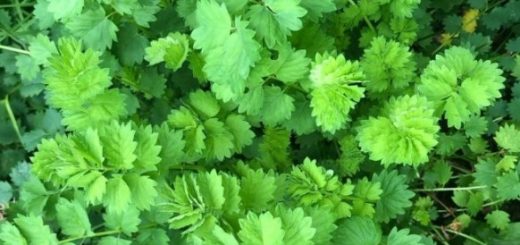
- Leaves: Costmary has aromatic, ovate to lance-shaped leaves with serrated edges. The leaves are typically bright green and possess a distinct, fragrant scent reminiscent of mint or oregano when crushed.
- Stems: The plant features upright, square stems that can reach heights of approximately 30 to 60 centimeters. The stems are often hairy and may have a reddish tint near the base.
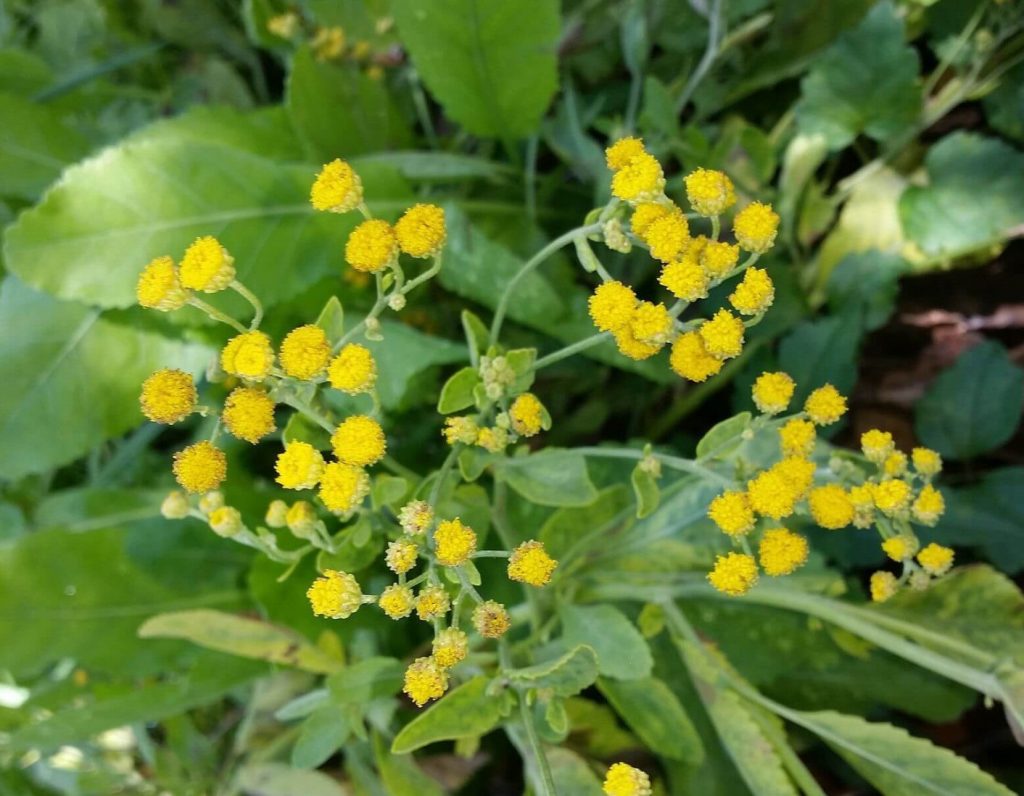
- Flowers: During its flowering period, usually in summer, Costmary produces small, yellowish-white flowers arranged in clusters at the top of the stems. The flowers are relatively insignificant but serve as an identifying feature during bloom.
Aromatic Qualities
- When the leaves or stems are crushed or rubbed, they emit a strong, pleasant aroma that combines hints of mint, sage, and oregano. This distinctive scent is a key indicator for identification.
Growth Environment
- Costmary thrives in well-drained soils with full sun exposure. It is commonly cultivated in herb gardens and prefers temperate climates.
Additional Tips for Identification
- Observe the plant’s overall shape and size.
- Check for the characteristic fragrance upon leaf or stem crush.
- Confirm the presence of small yellowish-white flowers in summer.
Uses of Costmary
Costmary, also known as Tanacetum balsamita, has historically been valued for its various applications in culinary, medicinal, and aromatic practices.
Culinary Uses
- Herb seasoning: The aromatic leaves are often used to flavor salads, soups, and stews. Their minty and oregano-like scent enhances a variety of dishes.
- Tea infusions: Dried leaves can be steeped to prepare herbal teas believed to aid digestion and provide a soothing effect.
Aromatic
- Aromatherapy: The fragrant leaves are sometimes utilized in potpourri or sachets to impart a pleasant scent and repel insects.
Ornamental Uses
- Garden cultivation: Appreciated for its attractive foliage and subtle flowers, it is cultivated as an ornamental plant in herb gardens.
Precautions
While costmary offers various benefits, it should be used with caution. Excessive consumption may lead to adverse effects due to its potent essential oils. Consulting with a healthcare professional before medicinal use is advised.
Note: Always ensure proper identification before consumption or medicinal use to avoid potential confusion with similar-looking plants.