Tarragon (Artemisia dracunculus)
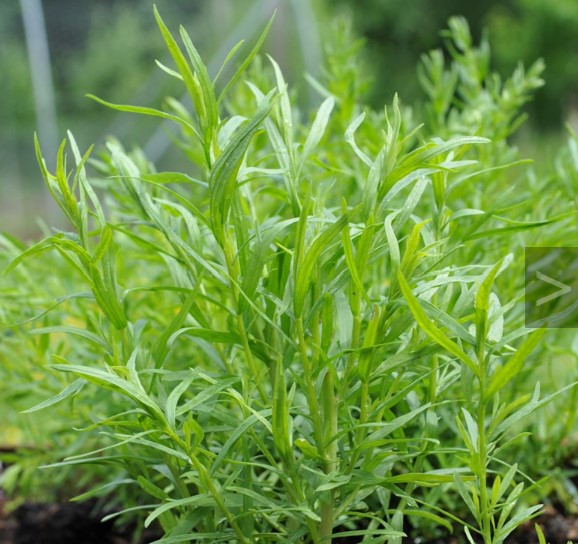
How to Identify Tarragon
Tarragon (Artemisia dracunculus) is a perennial herb renowned for its aromatic leaves and culinary uses.
Visual Characteristics
- Leaves: Tarragon has slender, elongated, lance-shaped leaves that are smooth and slightly glossy. The leaves are typically green, with a subtle silvery hue on the underside.
- Aroma: One of the most distinctive features is its strong, sweet, and slightly licorice-like aroma, which becomes more pronounced when the leaves are crushed.
- Stems: The stems are thin, erect, and can reach heights of 60 to 150 centimeters. They are often reddish or purplish at the base.
- Flowers: In late summer, tarragon produces small, pale yellow-green flowers arranged in clusters at the tips of the stems. The flowers are not particularly showy but can aid in identification.
Growing Environment
- Tarragon prefers well-drained soil and full sunlight.
- It thrives in temperate climates and can be cultivated in gardens or containers.
Distinguishing from Similar Plants
- Unlike mugwort or wormwood, tarragon lacks the highly aromatic, silvery foliage and does not produce large, fluffy flower clusters.
- Its licorice scent is more refined compared to other Artemisia species.
Practical Tips
- Crush a few leaves gently; if they emit a sweet, anise-like fragrance, it is likely true tarragon.
- Confirm plant identity by examining leaf shape and aroma rather than solely relying on visual cues.
Uses of Tarragon
Tarragon (Artemisia dracunculus) is a versatile herb valued for its distinctive flavor and aromatic qualities. Its applications span culinary, medicinal, and ornamental purposes, making it an important plant in various contexts.
Culinary Uses
- Flavoring Agent: Tarragon is widely used to enhance the taste of dishes such as sauces, salads, and marinades. It imparts a subtle licorice or anise-like flavor that complements poultry, fish, and egg dishes.
- Herb Blends: It is a key ingredient in traditional herb mixtures like fines herbes in French cuisine and Béarnaise sauce.
- Preservation: Its antimicrobial properties help in preserving certain foods, especially when used in pickling or marinating processes.
Medicinal Applications
- Digestive Aid: Traditionally, tarragon has been used to stimulate appetite and improve digestion.
- Anti-inflammatory Properties: Extracts from the herb are believed to possess anti-inflammatory effects, potentially alleviating minor aches and pains.
- Relaxant Effects: Some herbal remedies utilize tarragon to promote relaxation and reduce stress.
Ornamental Use
- Garden Cultivation: Due to its aromatic leaves and attractive appearance, tarragon is often cultivated as an ornamental herb in gardens or containers.
- Pollinator Attraction: Its flowers attract beneficial insects such as bees and butterflies, supporting local ecosystems.
Other Uses
- Aromatherapy: The essential oils derived from tarragon are sometimes employed in aromatherapy for their calming scent.
- Natural Pest Repellent: Its strong aroma can act as a natural deterrent against certain pests when planted near other garden crops.
Note: Always ensure proper identification before consumption or medicinal use to avoid potential confusion with similar-looking plants.