Dill (Anethum graveolens)
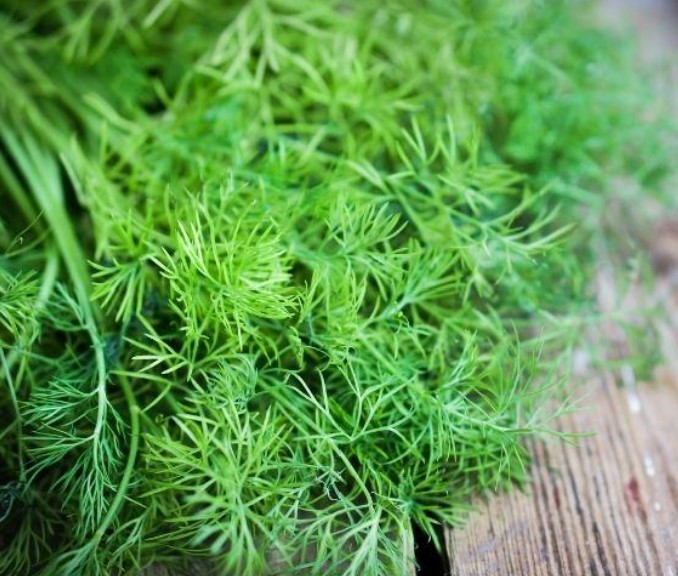
How to Identify Dill
Dill (Anethum graveolens) is a versatile herb widely used in culinary and medicinal applications. Accurate identification is essential to ensure proper usage and avoid confusion with similar plants.
Visual Characteristics
- Leaves: Dill has feathery, delicate, and finely divided leaves that resemble wispy threads. The foliage is bright green and aromatic.
- Stems: The stems are slender, hollow, and can reach heights of approximately 60-90 centimeters. They are typically smooth and slightly ridged.
- Flowers: Dill produces umbrella-shaped clusters called umbels, composed of small yellow flowers that bloom during the summer months.
- Seeds: The seeds are small, oval-shaped, and ridged, often harvested for culinary use.
Growing Conditions
- Prefers well-drained soil with full sun exposure.
- Typically cultivated during warm seasons; it does not tolerate frost well.
- Often grown in herb gardens or containers.
Distinguishing Features
- Unlike fennel or coriander, dill’s leaves are more finely divided and feathery.
- The aroma of dill is distinctive—fresh dill has a sweet, slightly tangy scent with hints of anise or fennel.
- The plant’s umbels are more delicate compared to other similar herbs.
Uses for Dill
Dill is a highly versatile herb that enhances a variety of culinary and medicinal applications. Its distinctive aroma and flavor make it a popular choice in numerous dishes and remedies.
Culinary Uses
- Flavoring for Pickles: Dill is a classic ingredient in the preparation of pickles, imparting a fresh, tangy flavor.
- Salads and Dressings: Fresh dill adds brightness to salads, vinaigrettes, and creamy dressings.
- Seafood Dishes: It pairs exceptionally well with fish, especially salmon, providing a delicate, aromatic accent.
- Soups and Stews: Dill enhances the taste of various soups, such as borscht or chicken noodle soup.
- Herb Butter and Sauces: Incorporating dill into butter or yogurt-based sauces creates flavorful accompaniments for meats and vegetables.
- Egg Dishes: Scrambled eggs or omelets benefit from the addition of chopped dill for added freshness.
Medicinal Uses
- Digestive Aid: Dill tea or infusion can help soothe indigestion and bloating.
- Anti-inflammatory Properties: Extracts from dill may be used to reduce inflammation when applied topically or consumed in small quantities.
- Respiratory Relief: Dill’s aromatic compounds can assist in alleviating coughs and congestion.
- Sleep Support: The calming properties of dill may promote relaxation and better sleep when used in herbal teas.
Decorative and Other Uses
- Garnish: Fresh dill sprigs serve as an attractive garnish for various dishes.
- Aromatherapy: The essential oil derived from dill is sometimes used in aromatherapy to promote relaxation.