Lemon Verbena (Aloysia citrodora)
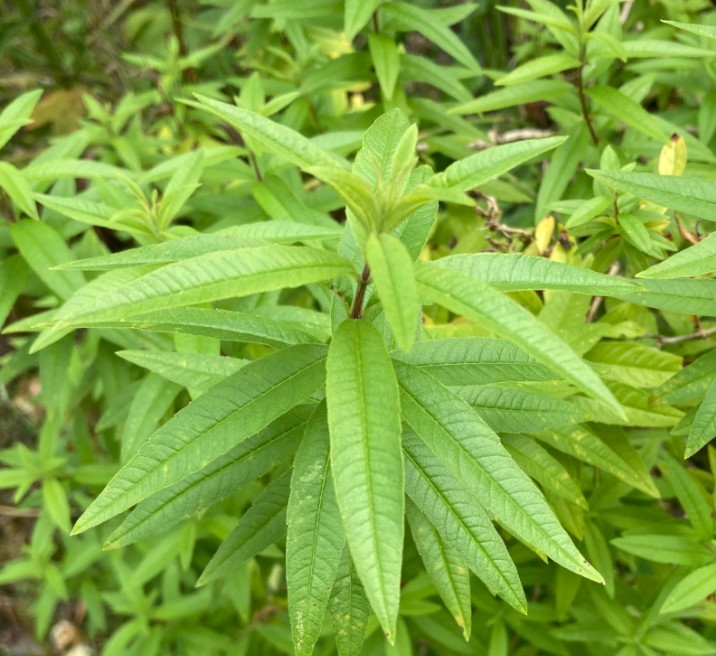
How to Identify Lemon Verbena
Lemon Verbena (Aloysia citrodora) is a fragrant perennial shrub renowned for its distinctive citrus aroma.
Leaves
- Shape and Size: The leaves are elongated, narrow, and lance-shaped, typically measuring 2 to 4 inches in length.
- Color: They possess a vibrant, bright green hue.
- Texture: The leaves are smooth, soft to the touch, and slightly serrated along the edges.
- Aroma: When crushed or brushed, the leaves emit a strong lemon scent, which is a primary characteristic of the plant.
Stems
- Appearance: The stems are slender, woody at the base with younger growth being more flexible and green.
- Colour: They are generally light brown or grayish-green.
Flowers
- Structure: Lemon Verbena produces small, tubular flowers grouped in clusters.
- Colour: The flowers are typically white or pale lavender.
- Blooming Season: They usually bloom in late spring to early summer.
Growth Habit
- The plant grows as a bushy shrub reaching heights of 6 to 8 feet under optimal conditions.
- It has an upright, spreading growth form with multiple branches.
Environmental Preferences
- Prefers full sun exposure and well-drained soil.
- Thrives in warm climates but can be cultivated in containers for indoor growth in cooler regions.
Uses of Lemon Verbena
Lemon Verbena is a versatile herb valued for its aromatic properties and culinary applications. Its distinctive citrus scent lends itself to a variety of uses across different domains.
Culinary Applications
- Tea Preparation: The leaves are commonly steeped to produce fragrant herbal teas that offer a refreshing citrus flavor.
- Flavoring: Fresh or dried leaves can be added to desserts, salads, and beverages to impart a bright lemon aroma.
- Infusions: Used in syrups, liqueurs, and marinades to enhance flavor profiles with natural citrus notes.
Aromatherapy and Personal Care
- Essential Oils: Extracted essential oils are utilized in aromatherapy to promote relaxation and mental clarity.
- Cosmetic Products: Incorporated into lotions, creams, and bath products for their invigorating scent and potential skin benefits.
Medicinal Uses
- Digestive Aid: Traditionally used to soothe indigestion, bloating, and nausea.
- Respiratory Relief: Inhalations or infusions may assist in alleviating coughs and colds due to its aromatic properties.
Decorative and Household
- Potpourri: Dried leaves serve as natural air fresheners in homes.
- Decorative Arrangements: Used in floral arrangements for their pleasant aroma and aesthetic appeal.
Gardening
- Companion Planting: Its fragrant foliage can act as a natural pest repellent when planted alongside other herbs or vegetables.