Thyme (Thymus vulgaris)
How to Identify Thyme
Thyme (Thymus vulgaris) is a perennial herb widely used for culinary and medicinal purposes. Proper identification is essential to distinguish it from similar herbs and ensure safe usage.
Visual Characteristics
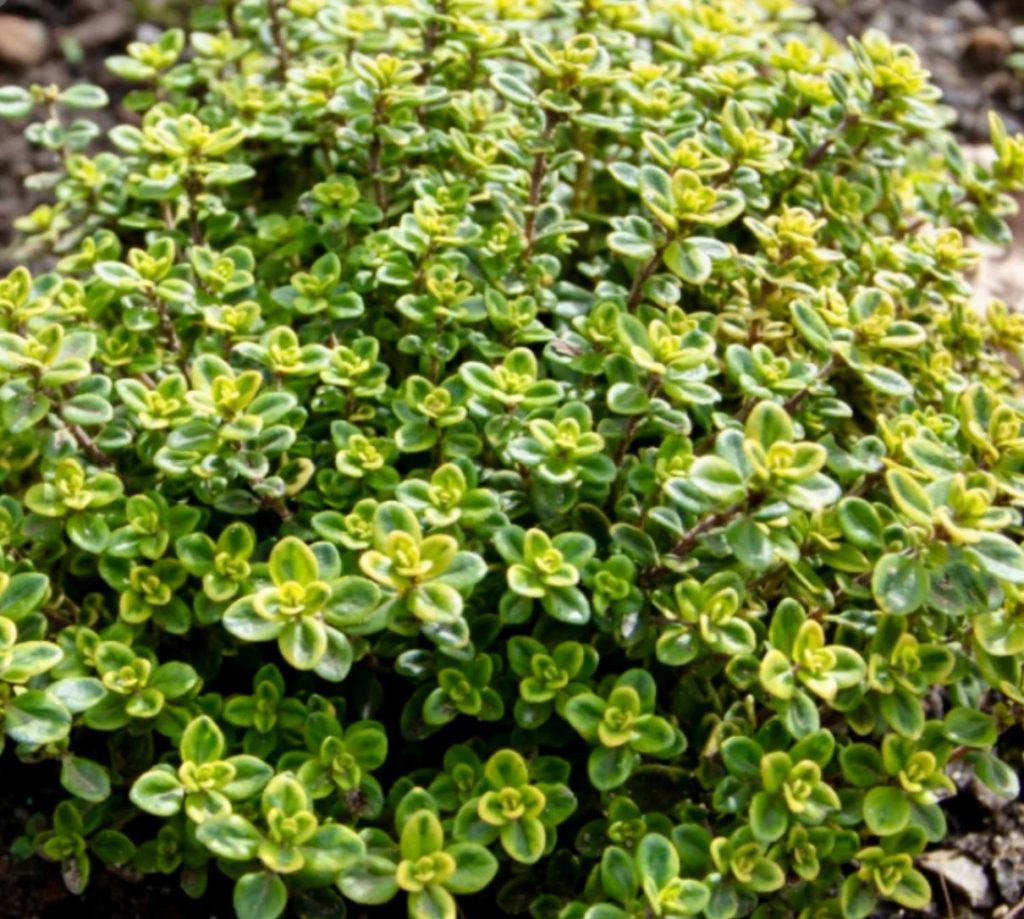
- Leaves: Small, oval-shaped, and densely packed along woody stems. The leaves are typically gray-green or greenish-gray with a slightly fuzzy texture.
- Stems: Woody at the base with slender, branching green stems that can grow up to 12 inches in height.
- Flowers: Tiny, tubular, and usually pale purple or pink, appearing in clusters during late spring to early summer.
Aroma
- Thyme emits a strong, earthy aroma with hints of mint, lemon, and rosemary. The scent is distinctive and easily recognizable when the leaves are crushed.
Growing Conditions
- Prefers well-drained soil and full sunlight.
- Thrives in temperate climates and requires minimal watering once established.
Differentiation from Similar Herbs
- Unlike oregano or marjoram, thyme has a more pungent aroma and smaller leaves.
- It differs from lavender by its leaf shape and scent profile.
- The woody stems are more prominent than those of other similar herbs.
Practical Tips
- When harvesting, select healthy, aromatic leaves from mature plants.
- Confirm identification through the scent and leaf shape before use in culinary or medicinal applications.
Uses of Thyme
Culinary Applications
- Thyme is a versatile herb widely used to enhance the flavour of various dishes. Its robust aroma and taste make it an essential ingredient in soups, stews marinades, and roasted meats.
- Fresh or dried thyme can be added during cooking or used as a garnish to impart a fragrant, savoury note.
Medicinal Uses
- Traditionally, thyme has been employed herbal medicine for its antimicrobial and antiseptic properties.
- It is often used in remedies to alleviate coughs, colds, and respiratory issues.
- Thyme infusions or teas are believed to support immune function and soothe sore throats.
Aromatherapy and Essential Oils
- The essential oil extracted from thyme is utilized in aromatherapy to promote mental clarity and reduce stress.
- It is also incorporated into massage oils and topical applications for its antibacterial qualities.
Preservation
- Due to its antimicrobial properties, thyme can be used as a natural preservative in food products, helping to extend shelf life and prevent spoilage.
Household Uses
- Thyme’s scent acts as a natural insect repellent. Dried sprigs may be placed in closets or storage areas to deter pests such as moths.
Gardening Benefits
- Incorporating thyme into gardens can attract pollinators like bees and butterflies. Its low-maintenance nature makes it suitable for ground cover or container planting in herb gardens.
Note: Always ensure proper identification before consumption or medicinal use to avoid potential confusion with similar-looking plants.